
Faculty of Education, Arts and Humanities
School of Education
Preparing professional, committed, and culturally grounded teachers to serve the Kingdom of Tonga through quality education, leadership, and lifelong learning.
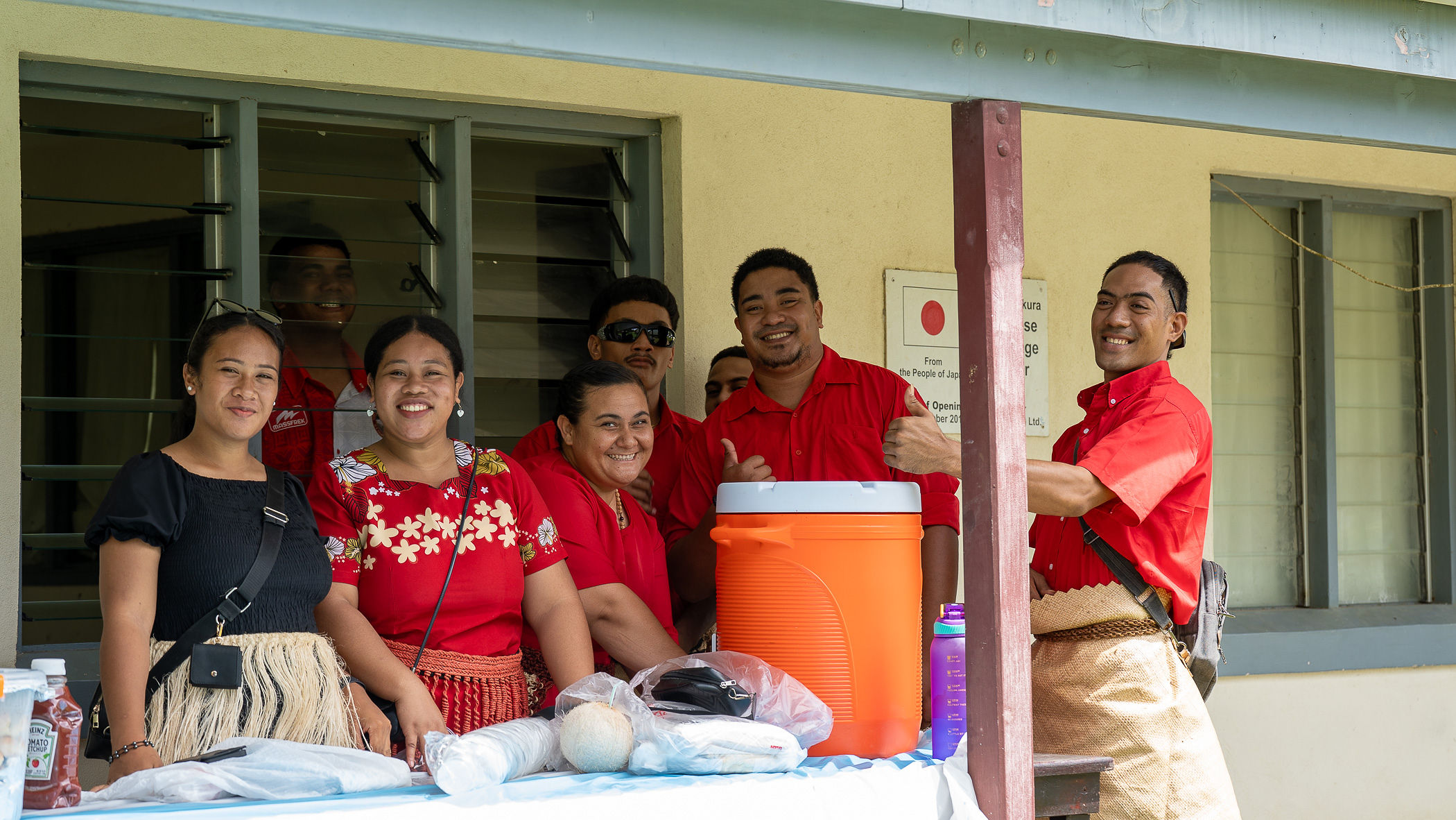
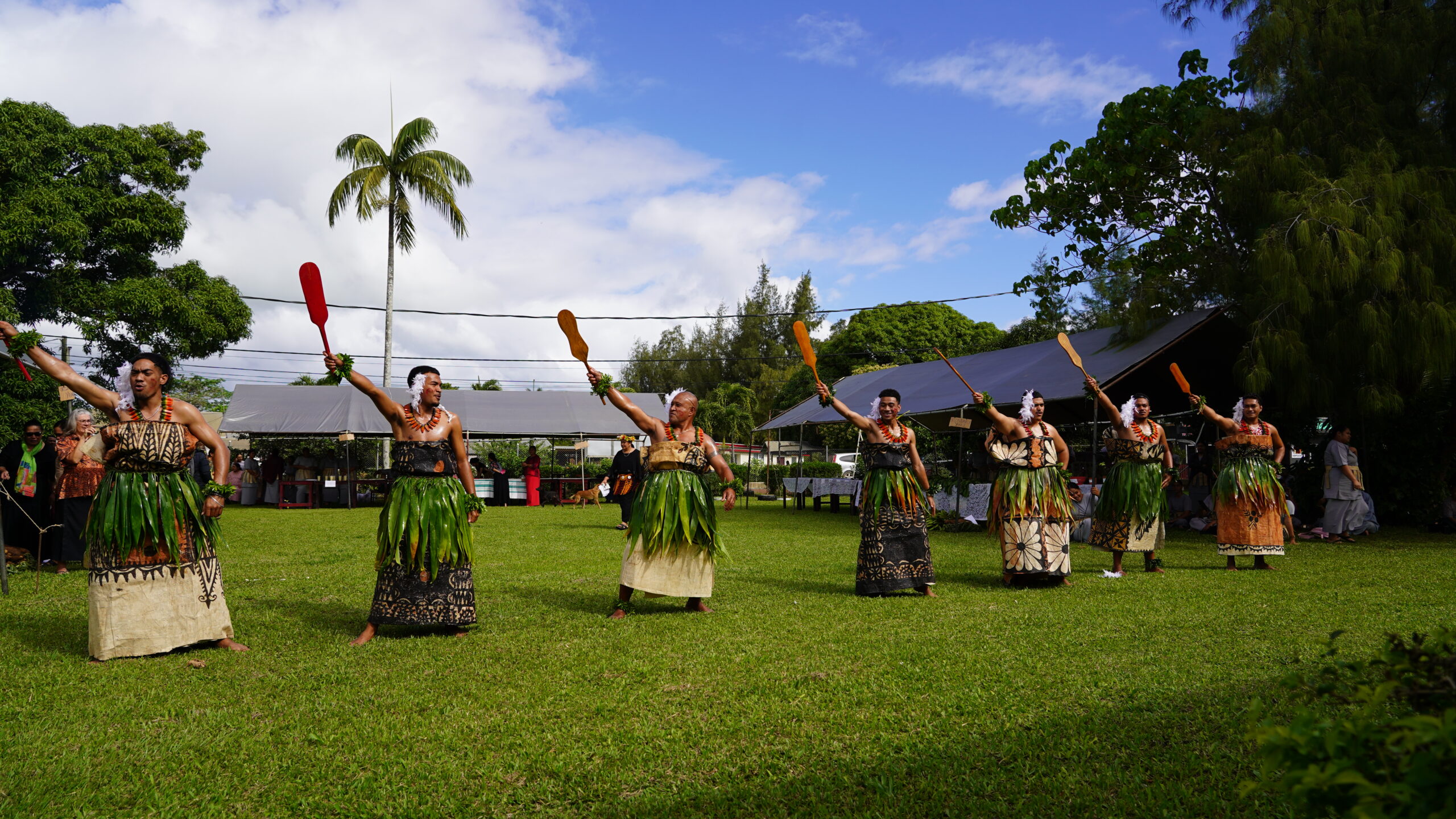
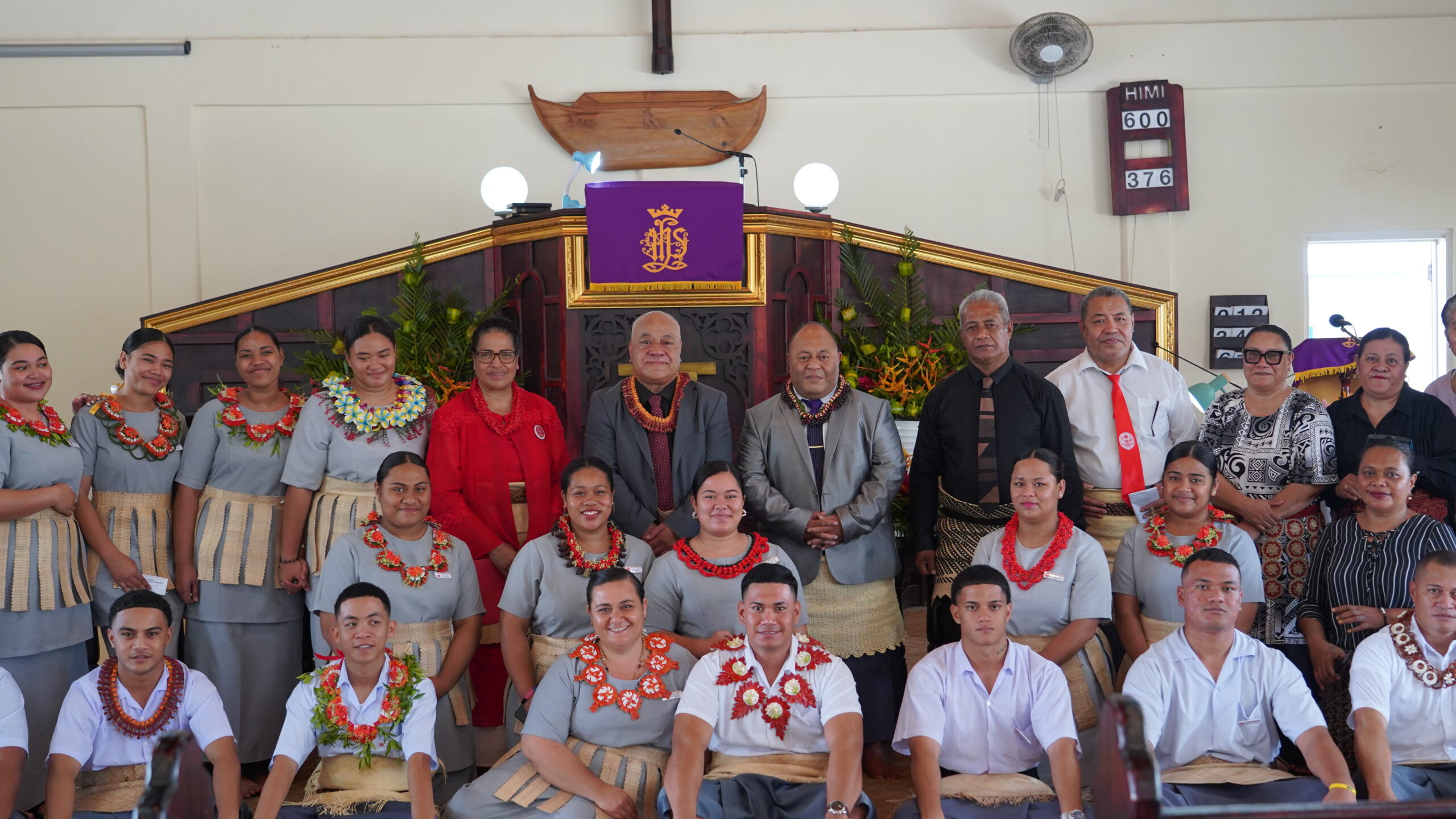
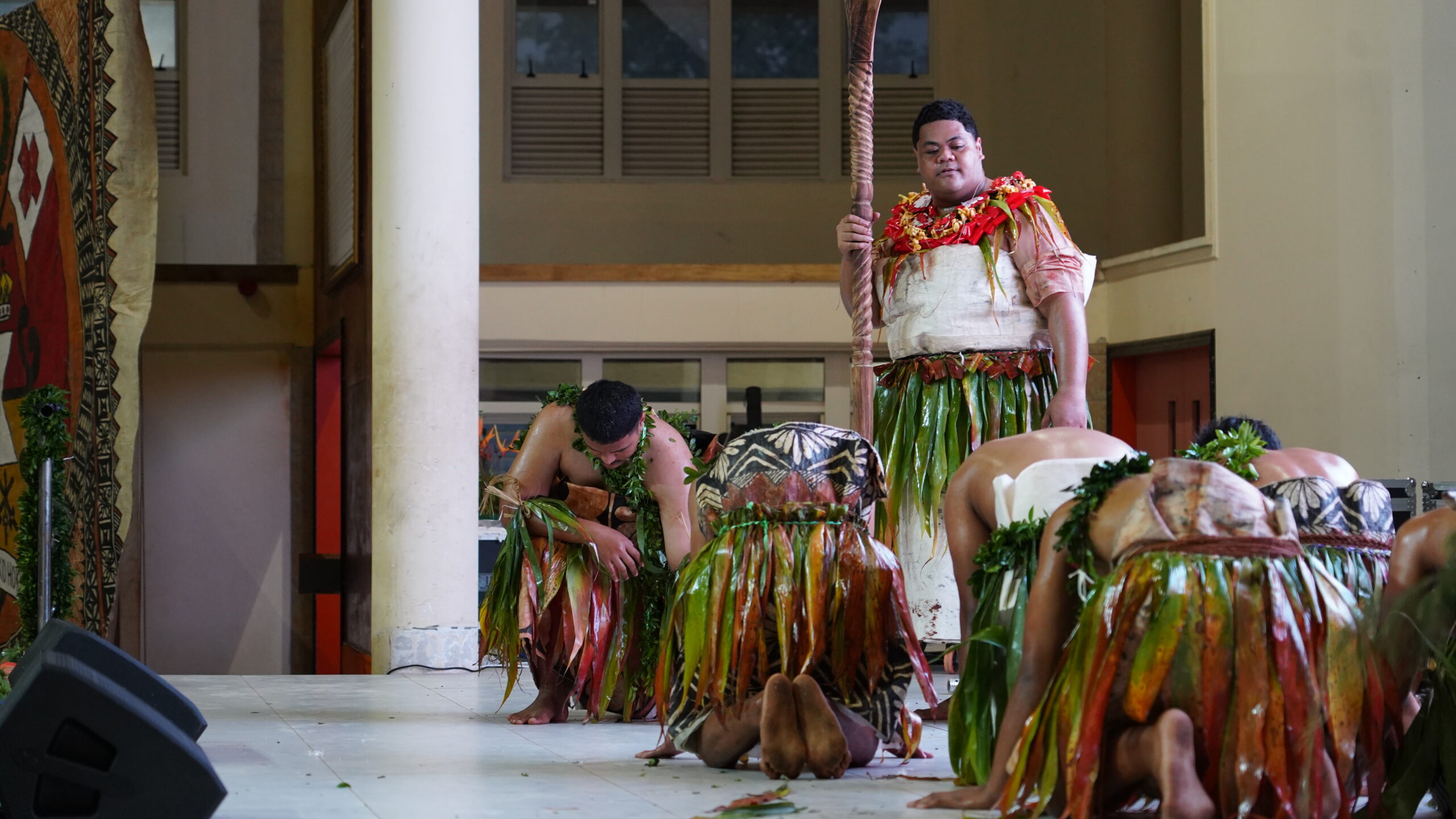
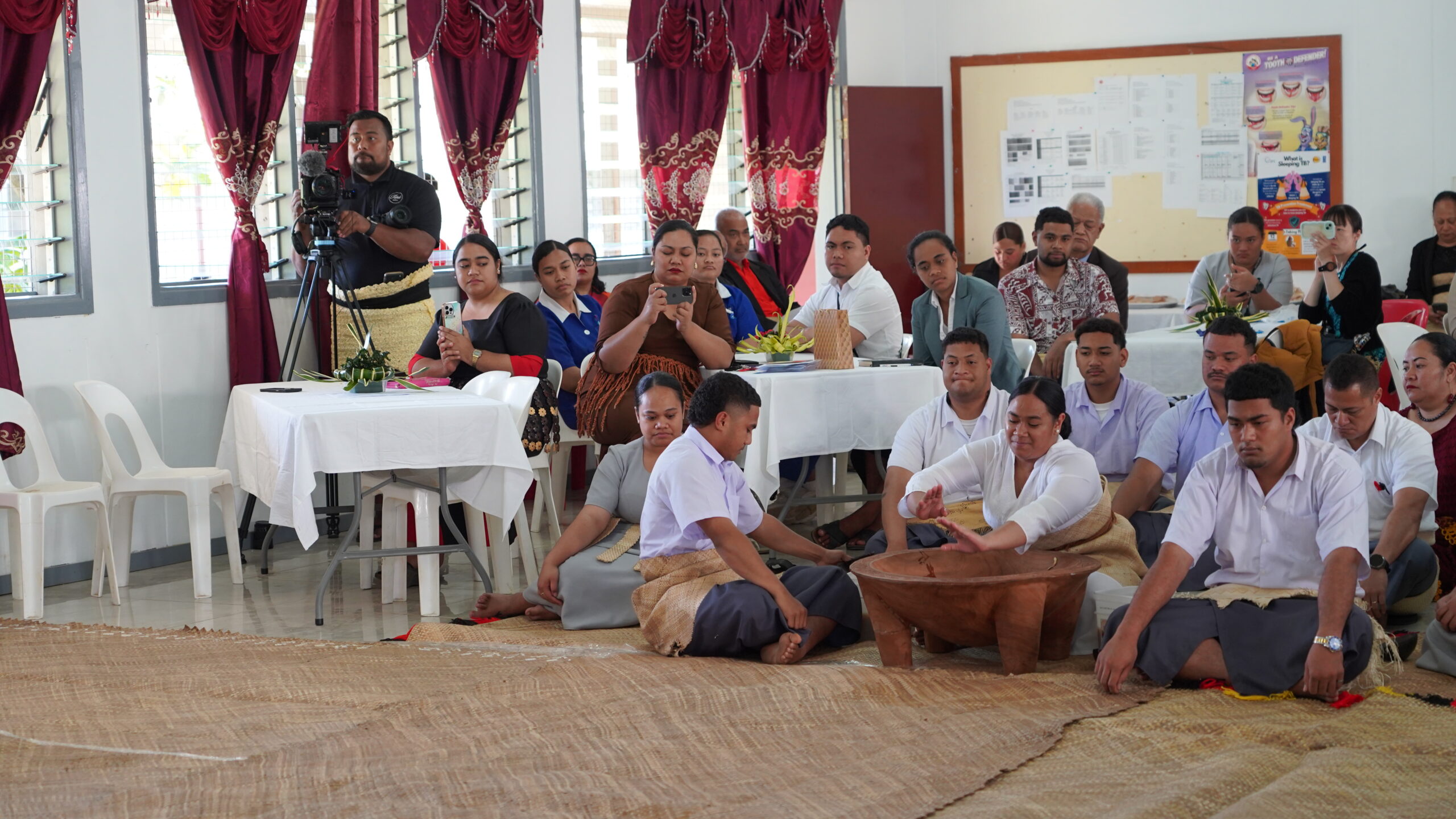
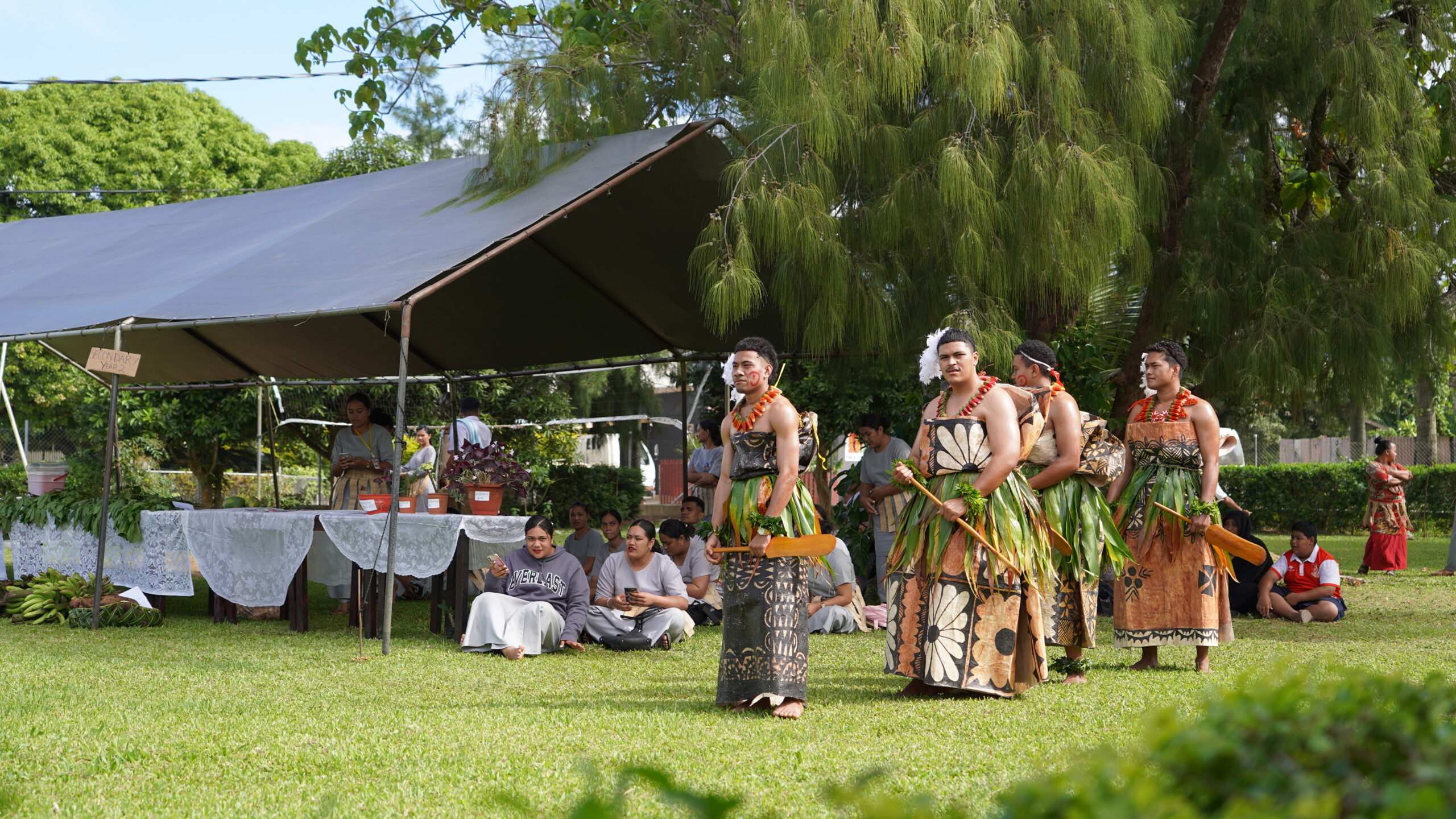
The School of Education is one of two schools within the Faculty of Education, Arts and Humanities. SOE is the major education provider for teacher education programs in the Kingdom of Tonga. The School has a total of 87 courses being taught in 9 programs as follows:
Programmes Offered
Click each programme below to view the programme statement, course structure, and entry requirements.
1. Initial Teacher Certificate in Education Level 4
Program Statement: Designs for the untrained teachers at secondary school level. Its aim is to provide high-quality, certified teachers for every classroom in Tonga. The certificate will equip teachers with a philosophical basis for Tongan education, core attributes of an effective teacher, skills in assessment, pedagogy, teaching resource development using Tongan modern technology to improve teaching and learning in the Tongan classroom context.
| Program Name | Semester | Code | Course Name and Description |
|---|---|---|---|
| 1 | ED075 | Introduction to Philosophy of Education Provides an overview by way of major philosophical problems, knowledge and skepticism (disbelief), free will versus determinism, the mind-body problem: good versus evil. It is prefaced by an introduction to basic logic and fundamental philosophical concepts. In addition, it introduces students’ philosophy of education that addresses philosophical questions concerning nature, aims and problems of education, its underlying principles, purposes, the foundation of knowledge and its application in classroom context. Students will have an opportunity to demonstrate with explicit comprehension of these principles in professional practices, verbally and non-verbally, in assessments and in practicums. |
|
| ED076 | Introduction to Teaching & Learning Provides students with basic teaching skills in their first introduction to the process of teaching. It covers lesson planning, presentation, questioning skills and basic classroom management. It gives opportunities for students to practise teaching skills through the micro-teaching process. Emphasis is placed on these skills being actively practised through class presentations and micro-teaching, as a means to develop confidence and competence in preparation for the trainees going out on teaching practice in the schools. |
||
| ED077 | Introduction to Professional Standards Explores Tongan educational policies, frameworks, codes and teacher standards which guide and safeguard educational practices pertaining to thinking, learning, teaching, decision making and ethical behaviour. It further explores historical developments in schooling on an international scene and within the confines of Tonga to stipulate how international perspectives and theories interplay and are relevant for Tonga. It also delves deeper into the social, cultural, political, religious and legal influences on schooling to foster a holistic understanding of the foundations of education in Tonga. The course provides opportunities for teacher trainees to undertake guided critical reflection on local and international perspectives, ideas and reforms and to consider their impact and relevance for Tongan schools and classroom contexts. It is important to note that this course is compulsory for all primary and secondary teacher trainees and lectures will be delivered in a combined mode |
||
| Initial Teacher Certificate in Education Level 4 Year 1 | ED078 | Introduction to Assessment & Evaluation Helps the student to understand the many roles Education plays in contemporary societies with comparison to our Tongan Society. It will address student’s own experience of Education and culture in the Pacific. This course will also prompt students to evaluate how school systems in Tonga influence our Society and how Society influences Schools. Education and Society will serve as a cornerstone for other Education courses debates within that area. The course challenges students to be active in improving education for Tonga |
|
| 2 | CE079 | Core English for Faiako Ma’a Tonga Focuses on practicing the basic practical and functional English language skills to improve both academic and personal development. Aims to enhance understanding of basic English language and grammar usage. Progresses to the four English language modes of writing, reading, speaking and listening which are fundamental for future professional and personal use. Students will have the opportunity to refine and practice basic English skills for quality and effective communication in the classroom and social contexts as well as life in general. These skills will assist students to become more proficient, confident and competent users of the English Language. |
|
| CO080 | Introduction to Information, Communication & Technology Information Technology stage 1 is a compulsory course to all student is willing to enrol in any program. Information Technology stage 1 provides students with both the theoretical background relating to learning and creating teaching resources using modern technology, and also practical using computer applications which are appropriate to their teaching context. |
||
| ED079 | Practicum (a & b) Introduces Teacher Trainees (TTs) to the teaching profession. It examines their underlying beliefs about teaching and learning. Teaching practice requires TTs to undertake practice teaching at schools as part of their training. Teaching is a dynamic and challenging task; therefore, teaching practice is a unique component towards becoming a competent teacher. In this teaching practice, professional traits inculcated in TTs prepares them as they face the reality of classroom and school situations of their respective teaching context. School practicum also provides TTs with opportunities to utilize their knowledge, skills and teaching strategies thus planning, implementing, managing the classroom and communicating with pupils of different ability levels and varied learning styles enrich their teaching experiences and positive attitude towards teaching profession. TTs should therefore treat the teaching contents and assessment seriously and progressively from semester 1 to semester 2. |
||
| TO081 | Ako’i mo e Ako ‘o e Lea Faka-Tonga ma’ae Faiako Ma’a Tonga Oku ako’i mo teuteu’i he Pepa ko ení e kau faiakó: ke nau lava ‘o ako’i lelei ‘a e Lēsoni Lea faka-Tongá, Tonga mo e Anga Fakafonua ‘i he ngaahi Lautohi Pule’angá meí he kalasi 1 – 6 Te nau ma’u foki heni ‘a e taukei fakafaiako ki hono ngāue’aki ‘o e silapá pea mo ‘ene felāve’i mo e ngaahi naunau fakafaiako kehe (Ko e Tohi ma’á e Faiako mo e Tohi ma’á e Fānau). |
2. Diploma of Education (Secondary Teaching) Level 5
Program Statement: Designs for school leavers who wish to teach at secondary school level. It is intended to provide high-quality, certified teachers for every classroom in Tonga. This certificate will equip teachers with a philosophical basis for Tongan education, core attributes of an effective teacher, skills in Assessment, pedagogy, teaching resource development using modern technology and Tongan to improve teaching and learning in Tongan classrooms.
| Program Name | Semester | Code | Course Name and Description |
|---|---|---|---|
| Diploma of Education (Secondary Teaching) Level 5 | 1 | ED101(S&P) | Philosophy of Education Provides an overview by way of major philosophical problems, knowledge and skepticism (disbelief), free will versus determinism, the mind-body problem: good versus evil. It is prefaced by an introduction to basic logic and fundamental philosophical concepts. In addition, it introduces students’ philosophy of education that addresses philosophical questions concerning nature, aims and problems of education, its underlying principles, purposes, the foundation of knowledge and its application in classroom context. Students will have an opportunity to demonstrate with explicit comprehension of these principles in professional practices, verbally and non-verbally, in assessments and in practicums. |
| ED102(S&P) | Teaching & Learning 1 Provides students with basic teaching skills in their first introduction to the process of teaching. It covers lesson planning, presentation, questioning skills and basic classroom management. It gives opportunities for students to practice teaching skills through the micro-teaching process. Emphasis is placed on these skills being actively practiced through class presentations and micro-teaching, to develop confidence and competence in preparation for the trainees going out on teaching practice in the schools. |
||
| ED103(S&P) | Professional Standards Explores Tongan educational policies, frameworks, codes and teacher standards which guide and safeguard educational practices pertaining to thinking, learning, teaching, decision making and ethical behaviour. It further explores historical developments in schooling on an international scene and within the confines of Tonga to stipulate how international perspectives and theories interplay and are relevant for Tonga. It also delves deeper into the social, cultural, political, religious and legal influences on schooling to foster a holistic understanding of the foundations of education in Tonga. The course provides opportunities for teacher trainees to undertake guided critical reflection on local and international perspectives, ideas and reforms and to consider their impact and relevance for Tongan schools and classroom contexts. It is important to note that this course is compulsory for all primary and secondary teacher trainees and lectures will be delivered in a combined mode |
||
| ED105(S&P) | Practicum I (a & b) Ensures the school’s aspiration for its TTs to become the ideal Faiako Ma’a Tonga transpires through his/her teaching/learning behavior and performance in alignment with the Four Pillars of Learning embedded within the SOE professional development framework – Langa Faleako7 (Building a House of Learning for Tongan Teachers). The pillars are described as Pou Fale (Posts of the House) above. |
||
| CE101 | Core English for Faiako Ma’a Tonga Focuses on practicing the basic practical and functional English language skills to improve both academic and personal development. Aims to enhance understanding of basic English language and grammar usage. Progresses to the four English language modes of writing, reading, speaking and listening which are fundamental for future professional and personal use. Students will have the opportunity to refine and practice basic English skills for quality and effective communication in the classroom and social contexts as well as life in general. These skills will assist students to become more proficient, confident and competent users of the English Language. |
||
| IT101 | Information, Communication & Technology Information Technology stage 1 is a compulsory course to all student is willing to enrol in any program. Information Technology stage 1 provides students with both the theoretical background relating to learning and creating teaching resources using modern technology, and also practical using computer applications which are appropriate to their teaching context. |
||
| 2 | Major 1a: E.g. AC101 | (Please refer to Compulsory courses for each Major) Introduction to Financial Accounting Education Examines the historical background of Accounting as a discipline, and focuses on providing the teacher trainee with a strong and applied understanding of the core concepts, principles, functions and qualities of accounting information and practices. Opportunities are provided for the teacher trainee to experience practical aspects of Accounting such as recording, preparation of financial reports and the analysis of the financial report for the user’s decision-making, as a means deepen the trainee’s content knowledge of the discipline. The topics covered align with the strands of Tonga’s Form 3 Accounting Syllabus, and multiple opportunities are also provided to practise applying pedagogical theory within the Accounting content area, to plan for delivery of the Syllabus content in a Tongan secondary school context |
|
| Major 2b Eg. EC101 | Introduction to Microeconomics Education. Introduces the theories, models, and principles of Microeconomics, History of Economic Thought. Develops a deeper understanding of the forms 3 and 4 economics syllabi. Teacher trainees will be given the opportunity to apply teaching pedagogies at these two levels through lesson planning, resource design, micro-teaching, and using ICT. Teacher trainees will benefit from this course where the content and the pedagogies are woven together. |
||
| Major 1c AC102 | Introduction to Managerial Accounting Education. Examines the theoretical and the practical aspects of managerial accounting such as managerial cost concepts as well as the different costing methods for the decisions made by managers. |
||
| Major 2c EC102 | Macroeconomics Education. Ensures that students understand the economic problems of scarcity, inflation, unemployment and the policies which governments use to deal with them. Examines the development, similarities and differences between F3, F4 & F5 syllabus, develops teaching and assessment methods appropriate for these two levels and addresses the drawbacks of our indigenous values in the process of learning economics in our schools. |
||
| ED105(S&P) | Practicum 1 (a &b) The Practical Teacher Training 1, is a 8-week program where the trainee will be given an opportunity to have a teaching experience through systematic observation and communication with their associate teacher and students for a period of 4 weeks per semester in schools. In addition, TTs are required to interact with the experiences from the training through reflection, and from various theoretical perspectives discussed in class. It places an emphasis on the classroom as an arena for academic, social, and democratic learning. |
||
| EN101(S) | Teaching Secondary English 1 Designs for students majoring in Teaching Secondary English. Introduces an overview of the history and nature of the English language and progresses to analyze Tonga’s language policy for education. Learns to understand teaching and learning of English as a second language and discusses how best to apply to the Tongan context. Familiarize students with the English syllabus for classes 7 & 8 focusing on receptive and productive language modes, its principles and practices. Students will have an opportunity to practice applying acquired pedagogical knowledge and skills through assessments, tutorials, written work and practicum |
||
| EN102(S) | Teaching Secondary English II Extends the familiarity of students with curriculum materials and English syllabus for classes 9 & 10. Introduces theories of bilingualism, bilingual teaching and learning focusing on students to understand and develop a toolkit of teaching strategies applicable for Tongan classrooms. Learn to understand both what to teach and how to teach listening, speaking, reading, writing and research skills. The portfolio students will construct through assessment will depict evidence of their learning and reflective practice during lesson planning and resource design. |
||
| GE101 | Physical Geography Education Designs to equip Year 1 Geography TTs with the importance of keeping a good relationship with other people and the environment, and promote the long-term sustainability of the planet earth. It encourages TTs to teach Forms 3 and 4 syllabi adequately and think critically as they investigate contemporary geographic issues and consider possible solutions. Explore the various perspectives of different groups of people, their interaction with their physical environment, and investigate important issues of relevance to Tonga, Pacific regions, and the wider world. |
||
| GE102 | Cultural Geography Education Explores traditional knowledge and understanding of the Pacific Island Cultural Geography, cultural resources, major development and changes, demographic change and patterns of land use in Pacific Islands. It will also equip Year 1 Geography TTs with adequate knowledge in cultural geography and Form 3 & Form 4 national syllabus. |
||
| HY101 | History of Tonga “To know thyself is the beginning of wisdom,” a philosophy by Socrates. Knowing who we are means knowing where we come from. Where do we start? Introduces the history of Tonga. Covers a range of topics spanning from the beginning of ancient Tonga, to the period of decolonization in Tonga. It weaves together content and teaching pedagogy appropriate for the teaching of Form 3 History in the secondary schools. TTs explore the connections between oral histories of migration theories and the written histories of the people of Tonga, specifically the benefits, drawbacks and ethical implications of historical sources. |
||
| HY102 | History of the Pacific “Oceania is vast, Oceania is expanding … Oceania is us. We are the sea; we are the ocean…” ― Epeli Hau'ofa. Introduces the history of the Pacific and provides a great opportunity for anyone who wishes to teach History in Form 4 level. Covers a range of topics within the realm of Pacific history, starting from creation myths to migration theories, focusing on how grassroots movements and ordinary peoples dictate Oceanic influence and presence in global politics. Study of key historical events and forces in the general history of the Pacific. Discusses the paradox of neocolonialism in Oceania, of how imperial forces seek to gain political and economic control of its islands and peoples. |
||
| MA101 | Mathematics Education for Secondary School Teachers Introduces the TTs to all topics covered in the mathematics syllabus for all classes in the secondary school level. The course will cover topics in the following areas: history of mathematics, analytic and plane geometry, algebra, selected topics in finite mathematics, sequences and series, trigonometry, logarithmic and exponential functions and complex numbers. |
||
| MA102 | Statistics I Introduces the Teacher Trainee to the scope, methods and applications of Statistics and Probability especially in solving real life problems. Be able to teach Statistics effectively in all classes of secondary schools’ level. Solving real life problems. Be able to teach Statistics effectively in all classes of secondary schools’ level. |
||
| SC101(S) | Integrated Science Education I Revises concepts that are related to General Science for secondary science specialists. It prepares trainees for teaching Classes 9 to Class 11 (Forms 3 to 5) which entwines both content knowledge and pedagogical knowledge. It addresses basic concepts associated with the Science Syllabus with planning and implementing at the introductory level, by weaving teaching pedagogies into how students learn Science in a Tongan classroom. Laboratory works illustrate various scientific skills, assessment for better learning and for establishing achievement in Science. It also provides opportunities to experience and put into practice the Standards of a “Faiako-Ma’a-Tonga” into Teaching and Learning of Science in a Tongan classroom. |
||
| SC102(S) | Integrated Science Education II It reinforces and builds TTs’ knowledge of the physical world and equips them with the basic laboratory skills, and science teaching pedagogies; enabling them to prepare lesson plans and practicals, as well as being able to present, and grade practicals and lesson assessments. TTs will also be provided with experiences that will empower them to be able to engage in the intellectual, cultural, ethical, social, and practices necessary to become an effective Faiako Ma’a Tonga. In successful completion of this course, trainees will be confident in teaching the ‘Physical World’ strand in the Science subject from Form 1 up to Form 5. |
||
| CH102 | Principles & Reactions of Organic Chemistry I Introduces theoretical knowledge and concepts that are important for teaching Class 11 to Class 12 Chemistry. Aims to impact adequate knowledge with factual, theoretical and experimental background concerning Introduction to chemistry. Laboratory works will demonstrate important scientific skills and employ technique to obtain results with an acceptable degree of precision and accuracy. Teacher trainees will be familiarised with the Chemistry Syllabus for the specified levels and to practice applying pedagogical knowledge and skills to plan effective teaching and learning experiences. |
||
| BY102 | Plant Biology Designed to raise student’s awareness of the diversity of life in the Plant Kingdom and to relate the modified structures and functions of a variety of habitats. There will be an emphasis on plant life in Tonga, and the Pacific regions. Looking at aspects of economic botany, conservation and biotechnology. This course will also look at photosynthesis, a fundamental process in the food chain and ecosystem, and it is responsible for the growth of human civilization |
||
| PH102 | Mechanics Reinforces and extends students’ knowledge on concepts, fundamental principles and applications of mechanics. It will also introduce students to basic laboratory skills, scientific skills, and science teaching pedagogies; enabling them to prepare lesson plan and practical, present, and grading practical and assessment activities. It will be available to all students to take towards their Diploma or Bachelor in Education majoring in Teaching of General Science and Physics. It will also be suitable as a one-off course for anyone who does not intend to complete all the physics courses but wants to learn the fundamentals of mechanics in Physics. The Course will make extensive use of simple geometry, algebra, and integration and differentiation. Prior knowledge of introductory calculus (simple integration and differentiation) is required. Students will also be required to make regular use of the internet for their research as well as a constant source of up-to-date information especially in updating teaching techniques that will allow students deepening their understanding of physics concepts. |
||
| TO101(S) | Ako’i mo e Ako ki he Lea Faka-Tonga I ‘Oku teuteu’i heni ‘a e kau faiako ‘i he Lēsoni Lea faka-Tongá (Tongan Language) te nau faiako ‘i he ngaahi kolisi ‘i Tonga. ‘Oku fakamamafa’i heni mo fakanaunau’aki ‘a e ‘ilo mo e ngaahi taukei ‘i he Lea faka-Tongá. ‘Oku kau ki ai ‘a e kalama ‘o e Lea faka-Tongá mo hono ngāue totonu ‘aki ‘a e lea faka-Tongá mo e sipela. ‘E fai mo e tokangaekina ‘a e ngaahi founga kehekehe ki hono ako‘i ‘o e LEA FAKA-TONGÁ ‘i hono Lea‘aki, Fanongo, Laukonga mo e Tohi. Ko e fa‘unga ngāue ‘o e “FAIAKO MA‘A TONGÁ” (FMT) kae tautefito ki he Pou ko Lea faka-Tongá ‘e tokangaekina makehe ‘i he lolotonga hono fakahoko ‘a e Pepá ni. ‘E ngāue‘aki ‘a e ngaahi founga ako mahení (learning styles) ‘a e VAKAI TONU, FANONGO TONU, mo ALA TONU (visual, auditory, & kinaesthetic). |
||
| TO102(S) | Ako’i mo e Ako ki he Tonga mo e Anga Fakafonua Designs for all Year 1 students who are specializing in the teaching of Tongan Language and Culture in Secondary Schools. Specially designed to enhance some areas of the Tongan Culture as specified by the course content below which are relevant and appropriate for all Teachers wishing to teach the Tongan Language and Tongan Society and Culture to secondary students of Tonga. |
||
| CTO102 | Ako’I mo e Ako ‘o e Lea Faka-Tonga ma’ae Faiako Ma’a Tonga (FMT) Oku ako’i mo teuteu’i he Pepa ko ení e kau faiakó: ke nau lava ‘o ako’i lelei ‘a e Lēsoni Lea faka-Tongá, Tonga mo e Anga fakafonua ‘i he ngaahi Lautohi Pule’angá meí he kalasi 1 – 6. Pea ke nau ma’u ‘a e taukei fakafaiako ki hono ngāue’aki ‘o e silapá pea mo ‘ene felāve’i mo e ngaahi naunau fakafaiako kehe (Ko e Tohi ma’á e Faiako mo e Tohi ma’á e Fānau). |
||
| JA101 | Japanese Education 1. Consists of the Japanese language topic contents and the teaching methods of Japanese. Introduces some basic knowledge of teaching Japanese such as 4 skills of learning language, flow of one lesson, advantages and disadvantages of native and non-native teachers, and focuses on improving the Japanese language ability of the students. The students are expected to discuss each topic and encouraged to progress their ability of Japanese proficiency as Japanese |
||
| JA102 | Japanese Education II. This is the course for those majoring in Japanese. This course consists of the Japanese language and the teaching methods of Japanese. It introduces some basic knowledge of teaching Japanese such as learners’ needs analysis, course designing and teaching plans, and focuses on improving the Japanese language ability of the students. The students are expected to discuss each topic and be encouraged to progress their ability of Japanese proficiency as Japanese language teachers. |
||
| MU101 | Music Theory A. This is a compulsory primary course for year 1, and has two components: practical experience, and theory. Designed to stimulate individual’s interest and attitude towards Tongan Music and culture. It helps to develop an understanding, awareness and appreciation of various cultural and musical traditions. This will also help students to be expressive through music their feelings to others. |
||
| MU102 | Music Theory B & Compositions. Designs to deepen the student’s knowledge of music theory, oral perception and performances; nurture an enjoyment and understanding of music which would enrich the quality of the student’s lives; provide students with opportunities to experience the expressive qualities of music and offer a range of experiences in composing, performing and listening to music. It also provides students with experience of music from a wide range of styles, periods and origins, encompassing the diverse nature of music; assists students to progressively develop and extend their music involvement, knowledge and skills; develops an appreciation of the unique qualities of Tongan music and those from other cultures and equips students with the opportunities to share their music experiences with the school and the wider Tongan community. |
||
| DT101 | Food Technology Food Technology teaches students to use their imagination and creativity to develop solutions to technological problems. Students will learn and apply a range of technological skills and techniques to design and create food products that they will test and evaluate to make informed decisions that reflect efficient use of resources in their community. It provides TTs with opportunities to demonstrate safe food practices and investigate the effect technology has on production and preservation of food using appropriate materials, and equipment safely and competently. They will apply knowledge of food nutrients, food preparation and presentation skills, and explore the relationship between food selection, health, and nutrition related diseases. |
||
| DT102 | Textiles and Garment Construction Textiles Technology teaches students to design and make textiles-based products using appropriate tools and equipment safely and competently. Students will apply the principles of structural and decorative design, selection of fabric and construction techniques. Students evaluate the role of technology in fibre and fabric development and investigate the properties of textiles and how this affects their use and care. This enables students to develop skills in choosing appropriate materials to satisfy design briefs. Creativity is applied in interpretation of design needs and in decision-making about the specifications of projects. Students can apply appropriate construction techniques and management processes for practical projects, and through reflection evaluate outcomes. |
3. Diploma of Education (Primary Teaching) Level 5
Program Statement: Designs school leavers who wish to teach at primary school level. It is intended to provide high-quality, certified teachers for every classroom in Tonga. The certificate will equip teachers with a philosophical basis for Tongan education, core attributes of an effective teacher, skills in Assessment, pedagogy, teaching resource development using modern technology and Tongan to improve teaching and learning in Tongan classrooms.
| Program Name | Semester | Code | Course Name and Description |
|---|---|---|---|
| Diploma of Education (Primary Teaching) Level 5 | 1 | ED101(S&P) | Philosophy of Education As above |
| ED102(S&P) | Philosophy of Education As above |
||
| ED103(S&P) | Teaching & Learning 1 As above |
||
| ED104(S&P) | Teaching & Learning 1 As above |
||
| EN101(P) | Introduction to Teaching Primary School English 1 Designs for students majoring in teaching secondary English. Introduces an overview of the history and nature of the English language and progresses to analyze Tonga’s language policy for education. Learns to understand teaching and learning of English as a second language and discusses how best to apply to the Tongan context. Familiarize students with the English syllabus for classes 7 & 8 focusing on receptive and productive language modes, its principles and practices. Students will have an opportunity to practice applying acquired pedagogical knowledge and skills through assessments, tutorials, written work and practicum |
||
| MA102(P) | Introduction to Teaching and Learning Mathematics Introduces teacher trainees to the nature of mathematics as a discipline of study; develop in-depth knowledge of the primary curriculum documents; consolidate and deepen mathematical knowledge in the strands, Number and Algebra; provide opportunities for the application of pedagogical theory and skills to the teaching of curriculum content; and develop mathematical thinking, logical reasoning, and problem-solving skills. |
||
| TO102(P) | Ako’i mo e Ako ‘o e lea faka-Tonga ma’á e Lautohi Pule’angá Ke teuteu’i ‘a e kau faiako ‘oku nau loto lahi ke ngaue ‘i he Lautohi Pule’anga ke nau mateuteu ki hono ‘ako’i o e lesoni Lea Faka-Tonga ki he fanau lautohi Pule’anga ‘i he ngaahi me’a fakakalama, Fatu Tohi , Lea, Tohi, Lau mo ‘etau ngaahi lea ki he anga ‘o e nofo ‘o kau ki ai ‘a ‘etau ngaahi paloveape, Lau Faka-Tonga , Lea faka’aki’akimui mo e ngaahi poto’i fakafaiako ki hono fa’u ha ngaahi naunau ngaue (activities) ke tokoni’i ‘aki e fanau ‘o fakatatau moe lesoni taki taha |
||
| SC101(P) | Introduction to Teaching and Learning of Integrated Science Introduces the first part of the compulsory general science education course for primary science specialists. It interweaves both content knowledge and pedagogical knowledge. That is, it addresses science knowledge, concepts, skills and attitudes associated with the science syllabus for classes 1-8. Students will have an opportunity to enhance knowledge, learning and practice in the content and teaching of science in preparation for class 1-8. In addition, it provides experience that will enable them to put into practice the standards of a Faiako Ma’a Tonga. |
4. Advanced Diploma of Education (Secondary Teaching) Level 6
Program Statement: An applied professional teacher education programme that integrates theory and practice and enables a balanced progression of knowledge, understanding and skills throughout the programme. It aims to produce competent teachers who possess depth of knowledge, a range of skills and positive attitudes for effective teaching and meaningful participation in the development of education in Tonga. The programme aims to produce teachers with a sound general education, dedication to teaching and can operate in secondary schools at a high level of professional competencies.
| Program Name | Semester | Code | Course Name and Description |
|---|---|---|---|
| Diploma of Education (Secondary Teaching) Level 6 Year 2 | 1 | ED201(S&P) | Education and Society Helps TTs to understand the many roles Education plays in contemporary societies with comparison to our Tongan Society. It will address student’s own experience of Education and culture in the Pacific. This course will also allow TTs to evaluate how school systems in Tonga influence our Society and how Society influences Schools. Education and Society will serve as a cornerstone for other Education courses and debates within that area. The course challenges TTs to be proactive in improving education for Tonga |
| ED202 (S&P) | Human Development Looks at the concept of the “whole child” in a context of life span development. It raises issues about environmental influences on development and discusses concepts of intelligence. It looks at the influence of culture, family and gender on the teaching learning process. |
||
| ED 203(S&P) | Teaching and Learning II Helps SOE TTs in their choice of relevant and productive pedagogies for Tongan classroom context. It guides their adaptation, selection and use of strategies that are relevant and valid for students’ learning. As it tries to contextualize the pedagogy to befit the Tongan classroom context of the Faiako Ma’a Tonga (FMT), the pedagogies taught in the classroom is woven into the four Pou (posts) of the Langa Faleako framework for the Faiako Ma’a Tonga - Pou ko ‘Ilo (Knowledge), Pou ko Poto (Skills), Pou ko Lea (Language) and Pou ko Fakafeangai (Teacher Professionalism).The course also provides opportunities for teacher trainees to undertake guided critical reflection and action research on local and international philosophies on culturally inclusive pedagogies that will enhance students’ learning.. |
||
| ED204(S&P) | Practicum II (a&b) Practicum II is an 8 weeks’ full-time program which allows the trainees to start mentoring the year one trainees and off course under the supervision of both the Associate teacher in the schools and the supervisor from the university. Trainees will be given multiple opportunities to teach in at least 4 of the core subject areas in classes 5 to 8 in Primary schools. Trainees in secondary schools will be given the opportunity to teach in both teaching majors from forms 5 to forms 7. Trainees should be able to gain confidence in teaching, while extending their content knowledge and skills for teaching their teaching majors at the given level(s). Trainees will be given the opportunities to assume full responsibilities of the teacher in the classroom. Ensures the institute’s aspiration for its TTs to become the ideal Faiako Ma’a Tonga transpires through his/her teaching/learning behavior and performance in alignment with the Four Pillars of Learning embedded within the TIOE professional development framework Langa Faleako7 (Building a House of Learning for Tongan Teachers). The pillars are described as Pou Fale (Posts of the House). |
||
| Curriculum Studies | Students choose to take two majors from three subject option lines (but not two from the same option line) • Option 1 English, Mathematics, • Option 2 Economics, History, Design Technology, Tongan, • Option 3 Accounting, Geography, Biology, Chemistry, Physics. |
||
| Major 1c Eg. AC201 | (Refer to Compulsory courses for each major) Financial Accounting Education Develops further understanding of knowledge and skills in Financial Accounting and applies knowledge and skills developed in teaching of forms 5, & 6 Accountings. |
||
| Major 2c. EC201 | (Refer to Compulsory courses for each major) Microeconomics Education. Seeks to enable the teacher trainees to demonstrate an understanding of the Micro Economics content in areas related to Firms, Production & Cost, Perfect Competition, Monopoly, Monopolistic, Competition & Oligopoly, Labour Markets, Economic of the Environment, Public Choices & Public Goods. Alongside strengthening Economic content knowledge, the trainees will be provided with multiple opportunities to practice applying specific aspects of pedagogical knowledge and skills, in ways that best suit the age and learning styles of the Tongan secondary school students in forms 5, 6 & 7, particularly with reference to strand 1 only. Traditional Model and the Flipped Classroom Model (FCM) will enhance independent and collaborative learning in an innovative way, thus promoting the POU ko ‘ILO, POTO, LEA & FAKAFEANGAI of the Langa Fale Ako Framework (Building the house of learning framework |
||
| Major 1 d eg. AC 202 | (Refer to Compulsory courses for each major) Managerial Accounting Education Examines the theoretical and the practical aspects of managerial accounting such as the decision-making concepts as well as the planning and control concepts. Further development of the teaching skills will also be considered such as the teaching strategies, planning, assessment and teaching resource. |
||
| Major 2d. eg. EC202 | (Refer to Compulsory courses for each major) Macroeconomics Education. Examines various concepts of macro-economics at the national level. It aims at promoting understanding the economic problems at this level and helps students to appreciate the effects of Government’s attempts to manage these problems both on the business community and the economy as a whole. With reference to strands 2 & 3 of the Economics syllabi, the trainees will be given an opportunity to develop a deeper understanding of the forms 5, 6 and 7 economics syllabi through curriculum analysis, planning, delivery and weaving of ICT into the content. |
||
| CT201 | Ko e Anga Fakafonua, hono ako mo ako’i. Designs for all Diploma 2 students who are specializing in the teaching of Tongan Language and Culture in Secondary Schools. This course is specially designed to enhance some areas of the Tongan Culture as specified by the course content below which are relevant and appropriate for all Teachers wishing to teach the Tongan Language and Tongan Society and Culture to secondary students of Tonga. |
||
| CC PE100 & RP1OO | Physical Education & Restorative Practices Develops restorative practices in schools to foster an equitable and positive school culture. It is a process by which an individual acknowledges wrongdoing, takes steps to repair harm and is welcomed back into the school community. This fosters a culture that elevates dialogue and values relationships. Rather than traditional punitive approaches, Restorative practice bring the victim and the offender into communication enabling everyone affected to play a part in repairing the harm and finding a positive way forward. Part 2 covers Physical Education for Secondary trainees. It introduces the teacher trainee to the professional knowledge and skills necessary for teaching Physical Education to secondary students, Classes 7-9. The course is designed to: familiarize teacher trainees with the CDU materials in Physical Education for secondary school; enhance the trainee’s knowledge about Physical Education, human body systems, skills and methods of exercising to suit the particular ages and levels of secondary school children; develop depth of knowledge in the content areas of the curriculum; and assist trainees to apply the knowledge of Physical Education and pedagogical theories to the teaching and learning of Physical Education in primary schools, including catering for students of diverse physical abilities. |
||
| 2 | EN201(S) | Teaching Secondary English Literature Extends in-depth knowledge of the English syllabus for classes 11, 12 & 13. Aims to widen and strengthen students’ knowledge of literary works prescribed for these levels and provides stimulating discussions to develop their own critical and explorative written responses to studied texts. The theory component extends and builds on students’ understanding of texts, responding to texts and critical analysis of texts in various genres. The practical component gives students an opportunity to elucidate their understanding through developing and compiling appropriate teaching resources and to practice an array of teaching and learning pedagogies and strategies for effective classroom learning activities and assessments. |
|
| EN202(S) | Teaching Secondary English: Language Development Analyses of theory, processes and practice of the Whole Language Approach to English learning and observes the global debate on the Whole Language vs Phonics Approach to reading particularly its usefulness for Tongan English Learners (TELs). It also explores the theoretical lenses of language development to develop a holistic understanding of the acquisition of language from a behaviourist, social interactionist, cognitive and nativist perspective. Students will have an opportunity to expound their understanding through planning, implementing, and evaluating English lessons that are culturally suitable for TELs coupled with the appropriate accumulation of contextual language teaching resources |
||
| GE201 | Advanced Physical Geography Education Designs for all Year 2 Secondary Geography majors. It provides the student teachers with an opportunity to demonstrate their understanding of the content of the syllabus, teaching strategies and assessment methods in Form 6 – Form 7 Geography syllabus. It should develop students’ personal competence in the teaching and learning of geography. This is essentially a practical course in which the development of personal knowledge and skills will be conducted through workshops. |
||
| GE202 | Advanced Cultural Geography Education Makes sense of a complex and changing world and their place in it. In geography, students have the opportunity to: build on and expand their personal experiences of natural and cultural environments, explore real and relevant contemporary contexts, think spatially explore the ways in which features are arranged on the earth’s surface, look at the processes that shape our world, undertake fieldwork investigations in different locations outside the classroom, develop an awareness of the connections between people and places, and participate in informed responsible action in relation to geographic issues that affect them. GET202 will equip students with the knowledge and skills to interpret the world in which they live |
||
| HY201 | Classical History: Creco Roman Civilisation Seeks to equip students with adequate knowledge of the Greco Roman classical history and skills to teach Class 11 to Class 12 History. It deliberately combines pedagogy and content and allow student the opportunity to use the content of the course and selected strategies to practice their craft. The prime focus of this course will not be on the names and dates of dynasties, kings, rulers, battles, etc., but rather on expanding the student’s worldview concerning the nature of civilization, its varieties, advances, and failures, to allow greater perspective when interpreting our present world. |
||
| HY202 | Modern World History: WWI to the Post War World Introduces all Year 2 students, whose major is History and who plan to teach modern history at the secondary level. Encourages students to demonstrate an awareness of the forces of political change in European countries and their effects on international relations. The concepts will be studied in its entirety and by the end it would already develop the skills required to effectively teach Forms 5 History. This also encompasses the content and the teaching components woven together. |
||
| CH201 | Chemical Principles Prepares TTs to teach competently at forms 6 and 7 Chemistry or to study at an advanced level if a student wishes to pursue further studies in chemistry. This course is the equivalent of a 100-degree level chemistry course. Trainees are expected to show efficiency and confidence in the use of knowledge acquired at Form 7 level and above. This course is a continuation of SC101 Chemistry. |
||
| CH202 | Principles & Reactions of Organic Chemistry II Introduces TTs to some fundamental concepts that are important in the understanding of organic chemistry. The course looks at the various types of reactions that are essential to the understanding of the chemistry of organic compounds and the relationship between the structure of an organic compound and its reactivity. The laboratory work illustrates the principles taught in lectures and provides an opportunity for the development and assimilation of important experimental skills in science. This is a compulsory course for students majoring in Chemistry and a continuation of CH102. |
||
| BY201 | Genetics Introduces the fundamentals of genetics, with an emphasis on DNA structures and Replication, Mendelian Genetics and application to Genetics, Genetic variation, monohybrid inheritance, Dihybrid Inheritance, Genetic Change, topics include principles of inheritance, complex traits, chromosomes, gene structures and functions, mutations, genomics, and genetic technologies. |
||
| BY202 | Waves I, Thermodynamics, Nuclear Physics Seeks to reinforce TTs’ knowledge of concepts, fundamental principles, and applications of waves, thermodynamics, and nuclear physics in preparation for teaching Form 5-7 physics. The course equips TTs with the basic laboratory skills, experiment preparation, course overview design and science teaching pedagogies; enabling them to prepare lesson plans and practicals, as well as being able to present, and grade practicals and assessments. The TTs will also be provided with experiences that will empower them to be able to engage in the intellectual, cultural, ethical, social, and practices necessary to become an effective Faiako Ma’a Tonga. |
||
| PH201 | Electromagnetism & Waves II. Sets to reinforce TTs’ knowledge of concepts, fundamental principles, and applications of electricity and magnetism in preparation for teaching Forms 5-7 physics. The TTs will be equipped with basic laboratory skills, and science teaching pedagogies; enabling them to prepare lesson plans and practicals, as well as being able to present, and grade practicals and assessments. TTs will have an opportunity to incorporate principles of Universal Design for Learning and constructive alignment into physics lessons. They will also be provided with experiences that will empower them to be able to engage in the intellectual, cultural, ethical, social, and practices necessary to become an effective Faiako Ma’a Tonga. |
||
| PH202 | Linear Algebra I Develops TTs’ foundational and practical understanding of Linear Algebra, with a focus on solving systems of linear equations, working with matrices and determinants, and understanding vector spaces and linear transformations. It equips TTs majoring in Mathematics—especially those entering teaching or science-related professions—with essential tools used in higher-level mathematics, engineering, computer science, and mathematical modelling. TTs will be competent in applying linear algebraic methods to solve real-world and theoretical problems, laying the groundwork for advanced mathematical learning and effective teaching of secondary-level mathematics. |
||
| MA201(S) | Calculus I Intended for all TTs majoring in Mathematics who opt for the secondary school teaching profession. It provides students with a profound understanding of mathematics especially Calculus that they have learned in the upper forms of secondary school level. An accelerated course covering all the main topics covered in Form 6 & 7 plus a detail introduction to the study of limits, continuity, techniques of differentiation and integration. Serves as a prerequisite to any area of study or profession where Calculus is a necessary requirement especially higher-level mathematics courses, applied and theoretical science, technical studies in engineering, commerce and economics etc. A profound understanding of this course is of central importance as a basis for most areas where Calculus is a necessary requirement. It bridges course connecting secondary level mathematics with first year Calculus at university level. A sound understanding of the content of this course will assist TTs in the teaching of general mathematics and Calculus at any level in secondary schools. |
||
| MA202(S) | Fakalahi ki ho Ako mo Ako’i ‘o e Lea Faka-Tonga. Ke teuteu’i heni ‘akinautolu ‘i he Polokalama Ako Tipiloma ta‘u hono UA (Year Two). Ko kinautolu ‘eni ‘oku faka’amu ke faiako ‘i he Lēsoni Lea faka-Tongá (Tongan Language) ‘i he ngaahi ako‘anga kolisi ‘i Tonga ní. ‘E fakalahi, fakanaunau‘i mo teuteu‘i ‘a e kau ako fakafaiakó (Teachers’ Trainees) ke nau ma’u ‘a e ‘ilo mo e ngaahi taukei fe’unga ‘i he Lea faka-Tonga´, kalama ‘o e Lea faka-Tonga´ mo hono ngāue totonu ‘aki ‘a e Lea faka-Tongá‘o hangē ko ia ‘oku hā ‘i he kakano ‘o e lēsoni ko ‘ení. ‘E fai ‘a e fakamamafa mo e tokanga makehe ke nau ma’u ha ‘ilo ‘oku loloto angé ki he ngaahi founga hono ako‘i ‘o e LEÁ ‘i hono Lea‘aki, Fanongo, Laukonga mo e Tohi ‘E fakahoko ‘a e lēsoni ko ‘ení ma‘a´ e kau faiako te nau faiako ‘i he ngaahi lēvolo kotoa ‘o e ngaahi kolisí. Ko e fa‘unga ngāue “FAIAKO MA‘A TONGÁ” (FMT) ‘e fai ‘a e tokanga makehe ki ai lolotonga hono fakalele ‘a e lēsoní. ‘E ngāue‘aki ma‘u pē ha taha ‘o e ngaahi founga ako mahení (learning styles) ‘o e VAKAI TONU, FANONGO TONU, mo e ALA TONU (visual, auditory, kinaesthetic |
||
| TO202(S) | Fakalahi ki hono Ako’i mo e Ako ki he Tonga mo e Anga Fakafonua. ‘Oku hoko atu ‘i he Pepa (Course) ko ʻení ki he Polokalama Ako Tipiloma ta’u hono 2 (year two). Kuo teuteu’i ia ma’á e kau faiako akoako (Teacher’s Trainees) te nau faiako ‘i he lēsoni “Ko Tonga mo e Anga fakafonua” meí he kalasi 7 – 13 he ngaahi kolisí.’i Tonga. ʻOku tokanga a e Pepá ni ki he tupu’anga mo e anga e nofo ‘a e kakai Tonga, ngaahi ouau mo e anga fakafonua ʻo e kakai Tongá. ʻOku fie maʻu ke nau faka’uhinga’i mo ‘analaiso ke toe loloto ange ‘a e ngaahi fanangá mo e talatupu’a faka-Tongá. ʻOku teuteuʻi makehe ʻa e kau faiakó ki hono ngaohi ‘o e ngaahi nāunau fakafonuá mo e ngaahi ngāue fakameaʻa faka-Tongá. ʻE fie maʻu ʻa e kinautolu ke nau vakaiʻi mo fekumi ki ha ngaahi founga ke fakatolonga ai ʻa e fananga mo e talatupu’a faka-Tongá. |
||
| MU201 | Music Theory B TTs are provided with opportunities to learn, explain and demonstrate understanding of Rondo Form, More about Form (Part I & II), Rhythmic Pattern to a Verse (Part I, II & III), Signs and Terms, Circle of Fifths, Double Sharps and Double Flats, Diatonic and Chromatic Semitones, Intervals of Minor 2nd and Minor 7th, Diminished and Augmented Intervals, Inversions of Intervals Chord IV and Interacted Cadence, Imperfect Cadence and Chord II, First Inversion of Chords, Major and Minor Chords, Doubling Notes, Imperfect Cadences, Harmonization of a Melody (Analysis, Writing: Parts I, II & III), Melodic Invention, Melody to a Verse Couplet, Modulation in a Melody (from Major Keys), Modulation in a Melody (from Minor Keys), Tongan Music and Dances and others. |
||
| MU202 | Musicianship Students of this course will have opportunities to learn about Character of Baroque Dances, Stringed Instruments, Clefs & Tunings, Terms and Ornaments, Syncopation and Counterpoint, Checklist: Points to watch in Harmonization, Major Scales and Keys, Melodic Minor Scales (Part II), Diatonic and Chromatic Intervals, Simple and Compound Intervals, Concords and Discords, Chord IIb, Chord VIIb, Second Inversion of Chords, Cadential 6 4 Chord, Harmonization (The Anacrusis, Planning the Base, Completing the Inner Voices), Unaccented Passing Notes, Auxiliary Notes, Passing Notes in Other Voices (Parts I & II), Harmonization in Cadences in Related Keys (Part I & II), Rhythmic Invention, Woodwinds Instruments (Part I, II & III), Tongan Music and Dances, and others |
||
| DT202 | DesignTechnology Education I Seeks to enhance teacher trainees’ (TTs) ability to meet successfully the challenges they face in both their personal and their working lives (teaching lives). It is equally relevant to all trainees, whether they plan to proceed directly to employment or training, or to pursue further studies after completing Diploma Level. Design Technology is one of the new subject approaches in the secondary school curricula. The TTs should feel confident and positive about their content knowledge, familiarity with the curriculum documents and ability to effectively apply a variety of methods of teaching design technology in order to develop and implement stimulating design technology programmes that will motivate children to participate with design technology learning activities. It focuses curriculum related areas, content knowledge, and application of pedagogy. Compulsory for all Year Two Design Technology TTs. Enables TTs to apply knowledge and skills developed in part i) in teaching of forms 5 Design Technology |
||
| CT201 | Creative Technology Education Seeks to develop a wide range of skills such as problem solving, design processes, construction, communication, critical thinking, analysis, and evaluation. It is intended to be a practical learning environment in which students are engaged with materials and select appropriate techniques and technologies for specific applications. Encourages the use of local, traditional resources that are readily available as well as exploring the use of western materials, skills, and techniques where applicable. All TTs need to develop technological skills and understandings that are relevant to the world in which they live. TTs will develop knowledge of technology and its uses and be confident in its application. |
5. Advanced Diploma of Education (Primary Teaching) Level 6
Program Statement: An applied professional teacher education programme that integrates theory and practice and enables a balanced progression of knowledge, understanding and skills throughout the programme. It aims to produce competent teachers who possess depth of knowledge, a range of skills and positive attitudes for effective teaching and meaningful participation in the development of education in Tonga. The programme aims to produce teachers with a sound general education, dedication to teaching and who can operate in the primary schools at a high level of professional competencies.
| Program Name | Semester | Code | Course Name and Description |
|---|---|---|---|
| Diploma of Education (Primary Teaching) Year 2 | 1 | ED201(S&P) | Education and Society Helps TTs to understand the many roles Education plays in contemporary societies with comparison to our Tongan Society. It will address student’s own experience of Education and culture in the Pacific. This course will also prompt students to evaluate how school systems in Tonga influence our Society and how Society influences Schools. Education and Society will serve as a cornerstone for other Education courses debates within that area. The course challenges students to be active in improving education for Tonga |
| ED202(S&P) | Human Development Looks at the concept of the “whole child” in a context of life span development. It raises issues about environmental influences on development and discusses concepts of intelligence. It looks at the influence of culture, family and gender on the teaching learning process. |
||
| ED203(S&P) | Teaching & Learning II Aims to help SOE TTs in their choice of relevant and productive pedagogies in the Tongan classroom context. It guides them in their adaptation, selection and use of strategies that are relevant and validated for student learning. As it tries to contextualize the pedagogy to befit the Tongan classroom context of the Faiako Ma’a Tonga (FMT), the pedagogy taught in the classroom is woven into the four Pou (posts) of the Langa Faleako framework for the Faiako Ma’a Tonga - Pou ko ‘Ilo (Knowledge), Pou ko Poto (Skills), Pou ko Lea (Language) and Pou ko Fakafeangai (Teacher Professionalism).The course also provides opportunities for teacher trainees to undertake guided critical reflection and action research on local and international philosophies on culturally inclusive pedagogies that would help students learn. |
||
| ED204(S&P) | Practicum II (a&b) Practicum 2 is an 8 weeks’ full-time program which allows the trainees to start mentoring the year one trainees and off course under the supervision of both the Associate teacher in the schools and the supervisor from the university. Trainees will be given multiple opportunities to teach in at least 4 of the core subject areas in classes 5 to 8 in Primary schools. Trainees in secondary schools will be given the opportunity to teach in both teaching majors from forms 5 to forms 7. Trainees should be able to gain confidence in teaching, while extending their content knowledge and skills for teaching their teaching majors at the given level(s). Trainees will be given the opportunities to assume full responsibilities of the teacher in the classroom. Ensures the institute’s aspiration for its TTs to become the ideal Faiako Ma’a Tonga transpires through his/her teaching/learning behavior and performance in alignment with the Four Pillars of Learning embedded within the TIOE professional development framework – Langa Faleako7 (Building a House of Learning for Tongan Teachers). The pillars are described as Pou Fale (Posts of the House). |
||
| 2 | EN201 (P) | Teaching and Learning of Primary English II A compulsory course for all Primary trainees, giving an overview of the history and nature of the English language and its development as a subject in Tonga. The bulk of the course is based on a comprehensive study of the English Language curriculum, syllabus and methodology for Primary School – Classes 6. It is strongly geared towards the development of English teachers as teachers of a second language in Tonga. The course is also designed to provide opportunities for practice at applying newly acquired pedagogical knowledge and skills for effective planning, design and delivery of teaching and learning experience appropriate to the age and language bilingual development of the child, to meet curriculum aims and learning outcomes. |
|
| MA201 (P) | Mathematics for Primary School Teachers. Consolidates and deepen mathematical knowledge in Measurements, Geometry, Statistics and Probability; provides opportunities for the application of pedagogical theory and skills to the teaching of curriculum content; and further develop mathematical thinking, logical reasoning, and problem-solving skills. |
||
| TO201 (P) | Talateu ki hono Ako’i ‘o e Tonga mo e Anga Fakafonua ki he Faiako Ako Lotoloto Tokoni’i ‘a e kau faiako akoako ‘a ia te nau fakahoko ngaue ki he kalasi 1 ki he 8. Fakatefito i he Silapa (CURRICULUM FOCUS) -Kalasi 1-8. TEFITO’I FOUNGA FAKAFAIAKO (PEDAGOGICAL FOCUS) ki he Palani, ‘Ako’i, Ngaue fakalokiako, Teuteu e ngaahi naunau tokoni fakafaiako. |
||
| SC201 (P) | Integrated Science Education for Primary Introduces the second part of compulsory general science education course for primary science specialists, that is, Teaching and Learning of Integrated Science for Primary Level. It also interweaves both content and pedagogical knowledge. It also addresses science knowledge, concepts, skills and attitudes associated with the science syllabus for classes 1-8. Students will have an opportunity to continue enhancing knowledge, learning and practice in the content and teaching of science in preparation for Primary Level teachings. |
||
| CC SO100& RP100 | Soroban & Restorative Practices. Part 1 prepares the trainee with the Soroban skills. Soroban is the Japanese abacus and is used as part of the national Maths curriculum for primary school children in Tonga. The teaching Soroban is a larger version which can be used as a tool in the classroom to help children visualise numbers and understand place value and the decimal system. Part 2 covers the restorative practices in schools to foster an equitable and positive school culture. It is a process by which an individual acknowledges wrongdoing, takes steps to repair harm and is welcomed back into the school community. This fosters a culture that elevates dialogue and values relationships. Rather than traditional punitive approaches, Restorative practice bring the victim and the offender into communication enabling everyone affected to play a part in repairing the harm and finding a positive way forward |
6. Bachelor of Education (Secondary Teaching) Level 7
Program Statement: Designs to further enrich teacher trainees in their content, professional, and pedagogical knowledge learnings as Faiako Ma’a Tonga. Courses which will allow for in-depth studying of chosen curriculum teaching areas, context specific tailored education courses, and professional experience placement are core in this programme. The programme also intends to empower graduates to weave together knowledge and skills, mind and context to inspire and educate young minds. Graduates will understand the world from multiple viewpoints and possess the relational sensitivity, competency and imagination to evaluate and adapt to rapid changes within communities, Tonga and in contemporary society.
| Program Name | Semester | Code | Course Name and Description |
|---|---|---|---|
| Bachelor of Education (Secondary Teaching) Level 7 | 1 | ED301(S&P) | Educational Research Enables teacher trainees (TTs) to practice research skills and experience Educational Research on current and pressing issues pertaining to learning in Tonga – a major focus in their practicum experience for this semester. It also keeps TTs abreast with current trends and offers them the opportunity to contribute in carrying out, conducting and searching for solutions to these challenges. It further revisits significant pedagogical aspects of Classroom & Behaviour Management; Presentation & Delivery; Lesson Planning & Constructive Alignment; and Teaching & Learning Activities & Assessment Tasks to prepare TTs for their final and last practicum experience. The course is compulsory for all primary and secondary TTs and lectures will be delivered in a combined mode. |
| ED302(S&P) | Inclusive Education Focuses on the concept of “Education for All” and the idea that all students, despite their ability or learning style, are capable of, and deserve access to education. In order to reach the goal of an inclusive classroom, Ed 302 students will develop an awareness of the differing needs and abilities in an average classroom and the skills and techniques needed to ensure that all students are successful learners. |
||
| ED303(S&P) | Education Technology Equips the TTs with concrete strategies for how to choose, use, and monitor technology in the classroom. Uses technology as a teaching and planning tool, designs meaningful learning experiences, incorporates technical terminology in their speech, and accommodates underserved populations such as special education and English language learners. In addition, the trainee will be given the opportunity to plan instruction and uses tools for engaging the students both in a traditional classroom or for an online course. The trainees will benefit from the implementation of the technology-based activities in the classroom, as well as connecting to content in new and engaging ways |
||
| ED304(S&P) | Practicum III (a&b) Practicum III is a 10-weeks’ final program which allows the trainees to take leadership in mentoring the year one trainees, assumes leadership roles in the classroom, while extending their knowledge and skills in their teaching majors. In addition to this, trainees will be given the opportunities to adjust the 7-step lesson planning to the school’s format. Trainees in both primary and secondary schools will be given the opportunity to teach both teaching majors in at least two different levels. Trainees should be able to gain confidence in teaching, while extending their content knowledge and skills for teaching their teaching majors at the given level(s). |
||
| Major 1e 301 Eg. AC301 | Advanced Financial Accounting Focuses on the fundamentals of financial accounting from the ground up. Learners will be given the opportunity to prepare a balance sheet, income statement, and cash flow statement, analyze financial statements, calculate and interpret critical ratios. You will also learn the role of managerial judgement in choosing accounting estimates and methods. The course concludes with an introduction to forecasting and valuation to help trainees to establish business goals that are both realistic and feasible. |
||
| Major 2e. 301 Eg. EC301 | Advanced Micro- Economics Applies an analytical approach to the study of how individuals and societies deal with the fundamental problem of scarce resources. It gives the trainees the apply the theories to everyday decisions faced by individuals as they try to maximize their utility, to businesses that try to maximize profits and to the whole of society as it attempts to use its resources efficiently. In addition, the trainees will also get to apply microeconomic tools to the analysis of such controversial issues as minimum wage laws, farm subsidies, rent controls, protectionism, pollution, welfare programs, and the tradeoff between equity and efficiency. |
||
| Major 1f Eg. AC302 | Company Accounting TTs will understand theoretically and practically why company accounting entries are made and its treatment i.e. comprehensive explanations are given relating the practice of accounting to the theory of accounting particularly as expressed in accounting standards. |
||
| Major 2f. Eg EC302 | Advanced Macro-Economics Teaches TTs modern macroeconomic analysis and focuses on the standard dynamic general equilibrium model, which is central to current macroeconomic research. The TTs are given a careful introduction to the overlapping generations version of this model and shown how this model can be adapted in different ways to address a wide variety of economic issues and policy questions. |
||
| 2 | MA301(S) | Linear Algebra II Introduces TTs to the study of Vector Spaces with emphasis on the structure of n-dimensional Euclidean Vector Space. An in-depth knowledge of the axiomatic approach in the study of Mathematics. Topics include dot and cross product as distance and area in 3-D geometry, real vector space and sub-spaces, coordinates and basis vectors and change of basis matrix, row and column space, null space, eigenvectors and eigenvalues and an introduction to complex vector spaces. |
|
| MA302(S) | Calculus II Introduces TTs to the studying of Calculus with two or more variables and how to use Calculus in explaining the physical universe. Learn about 3-dimensional space and application of linear algebra in solving problems. Students will also learn about partial derivatives, multiple integrals, line integrals and their applications. Greene's Theorem and Stoke's divergent theorem are explored. |
||
| EN301(S) | Language and Literature Explores the interactive relationship between language and literature. It is intended to assist the student to develop a permanent consciousness of language, as they approach literary texts. It examines the nature, composition and functions of language in society, and also looks at its practical relationship with meaning in literary texts. Seeks to furnish the student with a sound theoretical understanding of language both as an arbitrary set of symbols, and as a dynamic system of communication on which humans rely to exchange a variety of meanings, and to represent their various worlds through creative writing. |
||
| EN302(S) | The Structure of Language Focuses on the description and analysis of the structure of English. It looks at the way sounds and words are formed (phonology and morphology), and then examines the way words are joined together as phrases, then clauses, and then sentences (syntax). It aims to reveal the patterns that underlie English, in ways that will be useful for students studying, using or teaching the language. |
||
| GE301 | Biogeography: Plants &Animals Examines the importance of plants and animals within the context of their characteristic ecosystems and the importance of physical, biotic and human factors in shaping their communities and the economic importance of plants and animals to the development of the Pacific Islands. |
||
| GE302 | Agriculture, Food & Nutrition in Developing Countries Analyses and evaluates national planning in the Developing World, especially the small island nations of the Pacific on increasing malnutrition and food system change as major obstacles to meaningful national development, Developing World's environment and resource management system and its contribution to agriculture, food and nutrition national development. |
||
| HY 301 | History of Tonga: Government & Governance Focuses on the theories, concepts and issues in the history of Tongan polities from the traditional governments of Tonga until now. Designed for TTs who are interested in History as a supplementary subject for achieving a Bachelor of Education degree at TNU. Content coverage ranges from the pre-historical period before ‘Aho’eitu up to the recent political reformation in 2010 as well as some important events thereafter. Those who will be taking this course, are given the opportunity to collect, evaluate and analyze existing historical data whereby distinguish facts from the much-speculated opinions contained in texts and vernacular materials that have ceaselessly flooded this dying discipline – the STUDY OF HISTORY. The course is therefore compulsory for all who wish to teach History at secondary school level. Teaching pedagogy from previous History courses are interwoven in all Assessments to achieve the emphasis on ensuring that the trainee is not only mastering the content but also is adorned with teaching knowledge and skills appropriate for teaching History at secondary school level. Nevertheless, the objective of the course remains content-centered thus obliged to comply with current approach of studying History within the region. |
||
| HY 302 | Research in Local History ‘Research is the pursuit of new knowledge.’ Introduces research in local history. Offers a great opportunity for anyone who wishes to teach History at any level in secondary school. Covers the two major types of research, their major characteristics, major components and the research process. Allow students to move through the research process systematically as they conduct a piece of research. Weaves together content and pedagogy as it relates to the teaching of research throughout the history syllabi. Explores research strategies and the benefit to the individual researcher and the community. |
||
| BY301 | General Ecology Introduces the interactions between living organisms and their physical, chemical and biological environment. Several levels of ecology organisation are examined. These include the study of different types of populations, communities and ecosystems. Topics include population structure and growth, species interaction, energy flow, nutrient cycling, succession and applications to current environmental management issues. Students will perform ecological experiments in the field as well as in the laboratory. |
||
| BY302 | Cell Biology Designed for TTs majoring in Biology to learn about key concepts of cell biology covering a whole array of topics detailed in the course outline which is the equivalent of an undergraduate 200 level cell biology course. Students will have an opportunity to demonstrate their understanding of the knowledge and skills covered in this course through their laboratory reports and quizzes, research presentation and written tests and exam. |
||
| CH301 | Physical Chemistry Provides coverage of modern aspects of physical chemistry building on CH201. Intends to provide students with the necessary background to study the applications of physical and chemical principles. Such knowledge is essential for a complete understanding of the application of physical measurements to the elucidation of chemical structures and mechanisms of reactions. The laboratory component provides training in a relevant range of theoretical and applied physical chemistry techniques. |
||
| CH302 | Organic Chemistry Seeks to build upon the fundamental concepts in organic chemistry that were introduced in CHT202, the branch of Chemistry that deals with the chemistry of carbon. It demonstrates better understanding and interpretation of the concepts of reactivity and behaviour of aromatic compounds and biologically relevant molecules. The practical component will include set experiments which should build confidence in students in carrying out scientific analyses and also enable them to improve their practical analytical skills. |
||
| PH301 | Special Relativity and Quantum Physics Introduces TTs to the discoveries of modern physics. Modern physics refers to the discoveries and developments in the field of physics beginning at the start of the 20th century. By studying the principles and theories of modern physics, teacher trainees will gain an understanding into the interaction of matter on the most extreme scales, where the laws of classical physics are broken. |
||
| PH302 | Cosmology, Atoms, and Particle Physics This course is designed to introduce teacher trainees to the discoveries of modern physics. Modern physics refers to the discoveries and developments in the field of physics beginning at the start of the 20th century. By studying the principles and theories of modern physics, teacher trainees will gain an understanding into the interaction of matter on the most extreme scales, where the laws of classical physics are broken. |
||
| TO301(S) | Ako’i mo e Ako ‘o e Lea Faka-Tonga Teuteu’i heni kinautolu ‘i he Polokalama Ako Mata’itohi ‘i he ta‘u hono TOLU (Bachelor of Education). Ko e fa’ahinga ia ‘oku faka’amu ke hoko atu hono ako’i ‘o e Lēsoni Lea faka-Tongá (Tongan Language) ‘i he ngaahi ako’angá. ‘Oku fokotu‘utu‘u ke fakalahi,mo fakanaunau‘i ai ‘a e kau akó ke nau ma’u ‘a e ‘ilo mo e ngaahi taukei fe’unga ki he Lea faka-Tongá ‘o fekau’aki mo e kalama ‘o e Lea faka-Tongá mo hono ngāue totonu ‘aki ‘a e Lea faka-Tongá ‘o hangē ko ia ‘oku hā ‘i he kakano ‘o e lēsoni ko ‘ení. ‘E fakahoko ‘a e tokanga makehe ki he ngaahi founga hono ako‘i ‘o e LEÁ ‘i he Lea‘aki, Fanongo, Laukonga mo e Tohi. |
||
| TO302(S) | Fekumi Fakaako ‘I he Lesoni Tonga This is a compulsory course for Diploma 3 students whose major is Tongan Studies. The course will further deepen student knowledge and understanding of Tongan Culture (social, political and economic aspects) and the underlying reasons for Tongan practices through an investigative approach. |
7. Bachelor of Education (Primary Teaching) Level 7
Program Statement: Designs to further enrich teacher trainees in their content, professional, and pedagogical knowledge learnings as Faiako Ma’a Tonga. Courses which will allow for in-depth studying of chosen curriculum teaching areas, context specific tailored education courses, and professional experience placement are core in this programme. The programme also intends to empower graduates to weave together knowledge and skills, mind and context to inspire and educate young minds. Graduates will understand the world from multiple viewpoints and possess the relational sensitivity, competency and imagination to evaluate and adapt to rapid changes within communities, Tonga and in contemporary society.
| Program Name | Semester | Code | Course Name and Description |
|---|---|---|---|
| Bachelor of Education (Primary) Year 3 | 1&2 | ED301(S&P) | Education Research Enables teacher trainees (TTs) to practice research skills and experience Educational Research on current and pressing issues pertaining to learning in Tonga – a major focus in their practicum experience for this semester. It also keeps TTs abreast with current trends and offers them the opportunity to contribute in carrying out, conducting and searching for solutions to these challenges. It further revisits significant pedagogical aspects of Classroom & Behaviour Management; Presentation & Delivery; Lesson Planning & Constructive Alignment; and Teaching & Learning Activities & Assessment Tasks to prepare TTs for their final and last practicum experience. The course is compulsory for all primary and secondary TTs and lectures will be delivered in a combined mode. |
| ED302(S&P) | Inclusive Education Focuses on the concept of “Education for All” and the idea that all students, despite their ability or learning style, are capable of, and deserve access to education. In order to reach the goal of an inclusive classroom, Ed 302 students will develop an awareness of the differing needs and abilities in an average classroom and the skills and techniques needed to ensure that all students are successful learners. |
||
| ED303(S&P) | Education Technology Equips the teacher trainee with concrete strategies for how to choose, use, and monitor technology in the classroom. Uses technology as a teaching and planning tool, designs meaningful learning experiences, incorporates technical terminology in their speech, and accommodates underserved populations such as special education and English language learners. In addition, the trainee will be given the opportunity to plan instruction and uses tools for engaging the students both in a traditional classroom or for an online course. The trainees will benefit from the implementation of the technology-based activities in the classroom, as well as connecting to content in new and engaging ways’ |
||
| ED304(S&P) | Practicum III (a&b) Practicum III is a 10-weeks’ final program which allows the trainees to take leadership in mentoring the year one trainees, assumes leadership roles in the classroom, while extending their knowledge and skills in their teaching majors. In addition to this, trainees will be given the opportunities to adjust the 7-step lesson planning to the school’s format. Trainees in both primary and secondary schools will be given the opportunity to teach both teaching majors in at least two different levels. Trainees should be able to gain confidence in teaching, while extending their content knowledge and skills for teaching their teaching majors at the given level(s). |
||
| EN301 (P) | English Education in Literacy Skills in Primary Develops teacher trainees’ skills in teaching English as a foreign language in Primary Classrooms. Designs to help TTs prepare teaching resources for different language skills and selecting teaching techniques for appropriate ability level of students. |
||
| MA301 (P) | Advanced Mathematics for Primary School Teachers Introduces TTs to the study of Vector Spaces with emphasis on the structure of n-dimensional Euclidean Vector Space. An in-depth knowledge of the axiomatic approach in the study of Mathematics. Topics include dot and cross product as distance and area in 3-D geometry, real vector space and sub-spaces, coordinates and basis vectors and change of basis matrix, row and column space, null space, eigenvectors and eigenvalues and an introduction to complex vector spaces. |
||
| TO301(P) | Fakakakato hono Ako’i mo hono Ako ‘o e Lea Faka-Tonga ma’ae kau faiako Ako Lotoloto Ako’i mo teuteu’i ‘a e kau faiakó: ke nau lava ‘o ako’i lelei ‘a e Lēsoni Lea faka-Tongá mo e Tonga mo e Anga Fakafonua‘i he ngaahi Lautohi Pule’angá meí he kalasi 1 – 8. Pea ke nau ma’u ‘a e taukei fakafaiako ki hono ngāue’aki ‘o e silapá pea mo ‘ene felāve’i mo e ngaahi naunau fakafaiako kehe (Ko e Tohi ma’á e Faiako mo e Tohi ma’á e Fānau). |
||
| SC301(P) | Advanced Science Integrated Education (Primary) Designs for primary school teachers. It is to empower and enlighten ways as to how and what science teaching in the primary classroom is about. Focuses on developing an understanding of many science concepts and the learning as to how lecturers and TTs collaborate in investigating meaningful science questions using prior knowledge in both science experiences and other areas of the curriculum. |
8. Bachelor in Tonga Early Childhood Education Level 7
Program Statement: Develops based on a direction from the Ministry of Education and Training to establish after His Majesty King Tupou VI’s state visit to New Zealand in 2013. Amongst the array of economic and social programs and initiatives presented for His Majesty’s inspection, an Early Childhood Education degree program was recommended developed. The programme was designed with specific intention for ECE in Tonga that is born out of Tonga, its people, its unique sets of knowledge and skills, values and beliefs, epistomologies and tailored specifically for Tongans in Tonga and to be delivered in the Tongan language.
Target students are not restricted to potential ECE teachers, but is extended to all Tongans of all ages, whether you are in the education sector or not, but who are interested in pursuing an academic qualification that not only recognizes their perspectives of education, from what and where it is derived, but would also allow them to make a positive contribution to education and society as a whole.
| Program Name | Semester | Code | Course Name and Description |
|---|---|---|---|
| 1 | TECE101 | Ko e Fungani ‘o e Ako ‘a Tonga: Koloa 'o Tonga ‘Oku tatala ‘i he pepa ni ‘a e fatumanongi ‘o e Loto’iTongá mo e Fakamonū ‘o Tongá ke mahino ‘a e ‘uhinga ‘o e akó, ‘iló mo e potó. Ko e koloa fungani ‘o e ako ‘a Tongá, ‘oku tefito ia he ‘Otuá. ‘Oku fakamatala’i heni ‘a e kaveinga ‘o e fonuá, “‘Otua mo Tonga ko hoku Tofi’a”, mo e ngaahi fatu fakakaukau fakaako kuo ‘i he Mala’e ‘o e Akó. Fakamatala’i he pepa ni ‘a e koloa ‘a e fonuá, koloa ‘o ‘etau lea Tongá, koloa ‘o ’etau ngaahi tuí, pea mo e ngaahi me’a ‘oku fakamahu’inga’i he loto ‘o e kakai Tongá. Fakamamafa’i heni ‘a e loto’ofa mo e loto hangamālie, ko e koloa ‘o e akó mo e faiakó. |
|
| TECE102 | Tauhi Fonua: Nofo Melino Fakamatala’i e tui, fakakaukau mo e ‘uhinga ‘o e ‘tauhi fonua’ ke tatala ai e koloa ‘o e akó. Fakamatala’i ‘a e loto melino mo e loto māfana ko e koloa lahi mo mahu’inga he tanumaki ‘o e nofo va lelei he fonuá, ko e tuukunga malie mo taau ki he ako ‘a e Tongá. Tatala mei he Loto’i Tonga mo e Fakamonū ‘o Tongá ‘a e nofo melino ‘i he fonuá. Talanoa’i e koloa ‘o e feohí, ko e makatu’unga ‘o e akó mo e faiakó. |
||
| TECE103 | Otu Kaveinga: Toka 'a Tonga. Fakamatala’i ke mahu’ingamālie ‘a e loto matalá mo e loto toka’í ko e kamata’anga ‘o e ‘iló mo e akó. Fakamatala’i e ‘uhinga ‘o e ‘Otu Kaveingá ‘o fakatefito ‘i he Fatumanongi ‘o e Loto’iTongá mo e Fakamonū ‘o Tongá, ko e founga ke tatala ai e koloa ‘o e ‘Toka ‘a Tongá’. Fatu e ngaahi kaveinga mei he tupu’anga, fa’unga mo e founga ‘o e koloa kuo toka ‘i Tonga, ke ako’i ai e fānau mo e Faiako ma’a Tongá. Talanoa’i ‘a e ngaahi makatu’unga ‘oku fatu ai e Silapa Fakafonua ma’ae ngaahi Ako Tokamu’a ‘i Tongá, kau ai e fa’unga mo e founga ‘o e Ako Tokamu’á. |
||
| TECE104 | Fonua: Nofo 'a Kainga Fakamatala’i mo tatala ‘a e lea mo e ‘uhinga ‘o e ‘fonua’ ‘ene ‘uhinga ki he ‘Otua mo e me’a fakatupu kuo fa’u ‘o fakafonu’aki ‘a Tonga mo mamani, pehē ki he fema’uma’utaki ‘o e laumālie ‘o e ‘Otuá mo e loto ‘o e makapuna kuo fanau’i maí. Fakamatala ki he fa’u ‘o e lotó (Loto’iTonga) lolotonga ‘a e tupu ‘a e fānau hangē ko e loto lelei mo e loto ma’a. Fakamatala mo talanoa’i e ‘nofo ‘a kāinga’ he fonuá ke ‘uhinga mo mahu’ingamālie ai ‘a e makapuná ko e koloa ‘a e kāinga kamata mei he tu’utu’u’iá, fanau’i mai, mo ‘enau tutupu hake. Fakamatala ki he fakaako ‘o e tui ‘a e kakai Tonga ki he anga hono tauhi, ako’i mo hono ‘ofa’i ‘a e fānau iiki. |
||
| 2 | TECE105 | Kamata ke tatala ‘o e loto haohaoá, mo e loto ‘oku fu’u fo’oú, ko e me’a ke fofola ai ‘a e ‘uhinga mo e tūkunga ‘o e ‘tauhi’ koloa (fānau) ‘a e Tongá. Talanoa’i ‘a e tefito’i tui ‘o e Mo’ui Māfana pea ke fakaa’u e fakakaukaú ki he Fa’ē mo e fānaú. Fakamatala’i ‘a e tauhi ‘o e mo’ui: fakalaumālie (loto ma’a /mo’ui lelei mo ma’a), fakasino (loto tokanga /mo’ui hao mo malu), faka‘atamai (loto matala/’atamai matala mo puke me’a) mo faka’ekonomika (loto topono/mo’ui fakapotopoto). | |
| TECE106 | Teu Fakaako: Teuteu Fakamatala mo talanoa‘i ‘a e ‘uhinga ‘o e lea ‘teu’ mo e ‘teuteu’ ‘a e Tongá, ‘o fakama‘unga ‘i he fenāpasi ‘a e fakakaukaú mo e ngāué, tautefito he ala ‘a e nimá. Fakatalatala ‘a e mahu‘inga mo e ‘uhinga ‘o e mo‘ui maheni faingata‘a, ako ke ngāue‘aki lelei ‘a e koloa ‘oku ma’u he nofó mo e kanoloto ‘o e mo‘ui fakapotopotó. Fakamatala‘i e loto tokangá, mo e loto faka‘amanakí, ko e koloa ia ‘a e faiako ‘oku ‘ikai tule pe tuku ke hōloa hono iví, mo ‘ene vekeveke ke tokonaki koloa lelei ma‘ae longa’i fānaú, ko e teuteu e mo’uí ki ha feitu’u pe te nau ‘i ai. Fakakau mai ki heni ‘a e ako ki he tekinolosiá mo ‘ene fakafōtunga e ngaahi founga ako fakaonopoōni ‘i he mala‘é. |
||
| TECE107 | Fakamonū ‘o Tonga: Loto Poto Ma’u faingamalie ke fakamatala’i ‘a e Loto Poto mo e Loto Ma’u ‘i hono ngāue’aki ‘i he ako’, ‘ilo, mo e poto, ko e me’a ke tatala ai e ako mo e ‘ilo. Tatala e ngaahi fakakaukau ki he mo’oni ‘o e ngaahi ‘Apiako Tokamu’a ke mahu’inga mālie ‘a ‘enau tui mo ‘enau ngāue’. Talanoa’i ‘a e ngaahi fatongia, founga ngāue mo e fakahinohino ma’ae Faiako Ma’a Tonga ‘i hono ako’i ‘a e fanau Ako Tokamu’a |
||
| 3 | TECE201 | Ko e Fungani ‘o e Ako ‘a Tonga: Fakakoloa 'o Tonga Fakaloloto ‘i he pepa ni ‘a hono ako’i mo ‘ilo’i e ngaahi fatu fakakaukau fakaako ‘oku fungani he fa’unga mo e founga, ko e fakakoloa ia ‘o Tongá ‘i he akó. Tatala e ngaahi fakakaukau mo e founga ‘o hono fakakoloa ‘o e lea Tongá ko e fu’ufu’unga lelei ke faka’ilo ia ki he Faiako Ma’a Tongá ke poto hono tānaki e koloa fakaako mo fakafaiako. Fakamatala’i mo fofola e koloa ‘o e talanoá – ko e founga fakaako ia ke faka’ilo ai ‘a e fungani ‘o Tonga. Fakatalatala mo faka’uhinga e fakakaukau ‘o e Ako mo e Faiako ‘a ia kuo hake mai mei he Pasifiki mo tu’apule’anga foki, pea mo e ngaahi lea fo’ou ‘i he akó. |
|
| TECE202 | Tauhi Fonua: Talatalanoa Fakaloloto ‘i he pepa ni ‘a e koloa ‘o e ako ‘i he tauhi fonua, ko e me’a ‘oku fatu mei he laumālie pea fakahopo mai he loto melino mo māfana. Ke ngāue’aki e talatalanoa, ko e founga fakaako, toe fakapolitikale mo fakasōsiale. Ke vakai’i mo fakafehu’i ‘a e ngaahi ma’u’anga talá, fakamatalá, pea ke tatala mo fekumi ki ha ngaahi ‘ilo mo e fakakaukau fo’ou ke hakeaki’i ai mo fakalahi ki he ‘ilo ‘a e kau faiakó ki he feohi, nofo melino mo e tauhi vā lelei. Ke talatalanoa koloa lalahi mo ‘a‘au e ngaahi fakakaukau fakaakó, he lea mahino mo mālie ki he loto mo e ‘atamai ‘o e fānaú, mātu’á mo e kaungā tauhi kakai ‘i he fonuá. |
||
| TECE203 | Otu Kaveinga: Fakatoka 'i Tonga Fakamatala fakaikiiki ke mahu’ingamālie ‘a e loto matalá mo e loto toka’í ko e fuofua me’a ia ‘o e ‘iló mo e akó ‘i Tonga. Ke fakaloloto hono talanoa’i e koloa fakalotó ke matu’aki mahino ‘a e fakatoka ‘o e ‘Otu kaveinga ‘a e Ako Tokamu’a ‘i Tongá. Talanoa’i ke mahu’ingamālie ‘a e ‘uhinga ‘o e fakalea “‘i Tonga” pea ke fofola e ngaahi koloa ‘o e ‘Fakatoka ‘i Tonga’ mei he tūkunga ‘o e ‘api, kolo, feitu’u, motu mo e fonua pea fakalea’aki e ‘a, ‘o & ‘i hangē ko ení: ‘a e ‘apí, ‘o e ‘apí, ‘i he ‘apí; ‘a e koló, ‘o e koló, ‘i he koló, ‘a e feitu’ú, ‘o e feitu’ú, ‘i he feitu’ú, pea pehē ki he motú mo e fonuá foki. Fokotu’u ha ngaahi fa’u fo’ou mo e liliu ke fakatoka ‘aki hono ako’i mo fakahinohino e makapuna mo e faiako ma’a Tongá. Fakatalatala ke mahu’ingamālie ‘a e ngaahi makatu’unga ‘o e Silapa Fakafonua mo e fa’unga mo e founga ‘o e Ako Tokamu’á. |
||
| TECE204 | Fonua: Kāinga Fo'ou Fakamatala ‘a e ‘uhinga ‘o e ‘kāinga fo’ou’ ke tatala ai e feohi ‘a e makapuná mo e kakai kehé ‘o mafao atu he nofo-‘a-kāingá. Fakaloloto hono fakamatala’i e ngaahi loto, ‘ulungaanga mo e fakakaukau ‘a e fānau ‘oku fa’u he talanoá mo e feohí hangē ko e feohi fakatamaiki, fakato’u, ‘uma’ā e feohi ‘a e fānau mo e kakai lalahí he tūkunga kehekehe he fonuá. Talanoa’i e koloa he nofo ‘a e ongo kāinga tupu’anga ‘o e tamai mo e fa’ē mo e kāinga fo’ou he feohi ‘a e makapuna. Ako’i e lea Tongá ‘o e feohi he tuukunga kehekehe he tutupu hake, pu’aki lea lelei, mo e lea mahino. |
||
| 4 | TECE205 | Tauhi Fanau: Mo'ui Fakalata mo Fakamāfana Talanoa’i fakaikiiki ‘a e loto haohaoá mo e fu’u fo’ou ‘a e lotó ‘a ia ‘oku fatu ai e tauhi e makapuna mo e hako tupu e fonua. Fakaloloto ‘a e fakakaukau ‘o e tauhi fānau ko e me’a ke hakeaki’i e mo’ui ‘oku lata mo māfana ai ‘a e kau tauhí pea mo e tauhi fānau ‘oku faí. Tatala e koloa ‘o e tauhi fānau ke mahu’ingamālie: ‘a e tūkunga ‘oku fakalata mo fakamāfana ki he loto ‘o e fānau, fakatupu fieako mo fie’ilo, ma’u ivi mo loto fiefia. Fakaloloto ‘a e fakakaukau ki he tauhi e fānau ke ‘oua ‘e fakahōhō loto kae ako’i ke nau loto ‘ofa mo ongo’i loto (mahino) ‘a e tukunga ‘o e nofo, mo’ui ‘a e kainga mo e founga tauhi fānau fou ‘i he lea’i mo e akonaki. |
|
| TECE206 | Teu Fakaako: Naunau Fakamamafa‘i ‘a e ngaohi ‘o e naunau fakaako mei he koloa ‘a e fonuá hangē ko e ngaahi koloa mei he ‘akau, maka, mo tahi hange ko e nge‘esi fingota mo honau ngaahi filio‘i ke ‘oua e fakatupu lavea pe vevea, kae ue‘i e lotó mo e ‘atamaí ke toe matala ange ki he ‘uhinga ‘o e lelei, tolonga, mo e faka‘ofo‘ofa ‘o ha naunau ako. Ako‘i, ke tokanga ki he ‘uhinga tefito hono teu‘í, teuteu‘í, mo e anga hono ngāue‘aki ‘o e naunau akó– hono koloá - lalahi, iiki, mo e fakaikiikí foki, pea ke ako ke ngāue maau, fakamaau mo ala poto foki. Ke mahino foki, ko e naunau fakaakó, ‘oku teu‘i mo ako‘i ai ‘a e leá, faka‘uhinga me‘a mo e poto, hangē ko e poto faka’atamai, lea poto mo e poto he feohi fakatokolahi, talanoa mo poto fakafo‘ituitui mo e mata kakai. |
||
| TECE207 | Fakamonū o Tonga: Poto'i Loto Fakamatala fakaikiiki heni ke mahu’ingamalie ‘a e Poto’iloto ko e koloa ke loloto ai e Faiako Ma’a Tonga ‘i he Ako Tokamu’a’, pea ke tānaki atu ‘a e Loto ‘Alovili mo e Loto Faitotonu ki hono Fakamonu ‘o Tonga ‘i he Ako Tokamu’a. Fakatalatala e laumalie ‘o e ako ‘i he Loto Poto mo e ma’u’anga poto ‘a e ngaahi Ako Tokamu’a ‘i Tonga’. Fakatalatala ke mahu’ingamalie foki ‘a e ngaahi founga ngāue, ngaahi tu’utu’uni mo e ngaahi taumu’a ‘a e Faiako Ma’a Tonga |
||
| 5 | TECE301 | Ko e Fungani ‘o e Ako ‘a Tonga: Tofi'a Koloa'ia Fofola heni ‘a e fakakaukau ‘o e Koloa’ia ‘a e Fonuá ‘i he a’usia ‘e he kakai ‘a e tumutumu ‘o e lelei ‘oku tupu mei he Laumālie. Tatala mo tālanga’i ‘a e fungani ‘o e ako ‘i Tongá ‘o tefito ‘i he ma’u e ‘ofa ‘a e ‘Otua ‘i he loto’iTongá, pea ngāue’aki ki hono tufotufa mo faka’inasi he akó, mo e poto hono ngāue lelei’aki e koloa ‘a e fonua ‘o ako’i ai e to’utangatá. Tatala mo tālanga’i ‘a e mahutafea ‘a Tongá he koloa ‘o ‘ene leá mo e fungani ‘o e loto’iTonga, ko e me’a ke faka‘ilo ki he Faiako Ma’a Tongá. |
|
| TECE302 | Tauhi Fonua: Talanoa Mālie Fakaloloto ‘a e mahu’inga mo e ‘uhinga ‘o e tauhi fonua ‘aki hono ako’i e kau faiako ke nau a’usia ‘a e koloa ‘o e TalanoaMālie – “ko e ‘ofa ‘a e ‘Otuá ki mamani ko e Melino ma’ae kakai kuo hoifua ki ai”. Fakamatala’i ‘a e ‘uhinga fakalaumālie, sosiale mo fakaako ‘o e ‘talanoa mālie’. Ngāue’aki e fakakaukau ‘o e TalanoaMālie ke tatala pea mo fatu ai ‘a e fekumi fakaakó ‘a e Faiako Ma’a Tongá, ko ‘ene ngāue tefito ia ‘i he mala’é. Fakatalatala ke mahu’ingamālie ‘a e talanoamālie ‘o e loto’iTongá pea fakamonū ai e ngaahi lelei kuo tanumaki mo toutou fakafoo’u he ngaahi lau-ua ‘o e akó. |
||
| TECE303 | Otu Kaveinga: Toka'i 'o Tonga Tatala e ‘uhinga mo e koloa ‘o e ‘Toka‘i ‘o Tonga’ pea mo hono ngāue’aki fakaako ke hakeaki’i ai mo mo’ui’aki ‘e he Faiako Ma’a Tonga ‘a e koloa ‘o e loto toka’í mo e loto matalá. Ke fakatalatala ‘a e fihi ‘o e ngaahi fakakaukau, loto, mo e founga ‘oku mahino ai hono toka’i ‘o Tongá, tautefito ki he ako ko eni ‘oku fatu he Poto ‘o e Laumālie ‘o e ‘Otuá, he lea fakaTongá. Ke tālanga’i ‘a e ngaahi ‘ilo fakamamani lahi ‘i he Ako Tokamu’a kau ai ‘a e Silapa fakafonua mo e ngaahi fakakaukau mei he Pasifikí mo tu’apule’anga foki ‘a ia kuo ngāue’aki ‘e he kau faiako he mala’e. |
||
| TECE304 | Fonua: KaiMelie Fakamatala’i mo tatala ‘a e ‘uhinga ‘o e lea, ‘kaimelie’ ke fofola ai e loloto ‘o e fakakaukau tefito ‘o e fonuá ke mahu’ingamālie ‘a e hoko mai ‘a e fānau mei manava ‘o mo’ui he funga ‘o e fonuá; ‘a e fononga ‘oku folaua ‘e he hako tupu ‘o Tonga ‘i he tukui motu ‘o e fonua. Tālanga’i ‘a e ‘uhinga fakasōsiale, fakalaumālie, fakapolitikale, fakaako mo fakafilosofia ‘o e ‘kaimelie’ he fonuá & kainga fo’ou. Talatalanoa ki he tutupu e longa’i fānau ‘i he loto lelei mo e loto ma’a mo e tumutumu e lea fakaTonga te nau ako mo a’usia he fonongá. Ko e ngaahi fakakaukau tefito (FT)ke a‘usia ‘i he Pepa ni ‘oku kau ai ‘a e: tatala e koloa ‘o e loto toponó he ngāue fakafaiako ‘a e Faiako Ma’a Tongá he Ako Tokamu’á; tatala e koloa ‘o e loto fakamātoató he ngāue fakafaiako ‘a e Faiako Ma’a Tongá he Ako Tokamu’a; tatala e fakakaukau fakalaumālie, mo fakaako ‘o e lea Fonua: KaiMelie, ke ngāue’aki he ako’i ‘o e longa’ifānaú, ‘i he Ako Tokamu’á, mo e tālanga’i e fakakaukau ‘o e Fonua: KaiMelie ‘i ha ngaahi a’usia fakasōsiale, fakapolitikale mo faka’ekonomika, pea faka’uhinga mo ngāue’aki he tauhi mo ako’i ‘o e longa’i fānaú, ‘i he Ako Tokamu’á. |
||
| 6 | TECE305 | Tauhi Fānau: Mo'ui Kanokato Fakamatala’i ‘a e ‘uhinga, mahu‘inga mo e a‘usia ‘o e Mo‘ui Kanokato ke mahu‘ingamālie ‘a e ohi mo e tauhi fānau ‘a e Tongá. Talanoa‘i ke loloto ‘a e koloa lelei kotoa he tauhi fānau hangē ko ia ‘oku hā he mo’ui fakalaumālie, sino, ‘atamai, sōsiale mo ‘ekonomika. Fakafehu‘i e loto mo e ‘ilo ‘oku fakava‘e‘aki e ngaahi founga ‘oku fai‘aki e tokanga‘i, ako‘i, mo e tauhi ‘o e fānaú ‘e he kāinga Tongá ‘uma‘ā foki ‘a e Faiako ma‘a Tongá. |
|
| TECE306 | Teu Fakaako: Ngalu (e Fasi) Fakamatala’i ‘a e ‘uhinga ‘o e lea ‘ngalu’ (e fasi) hono ngāue’aki he ngaahi naunau ako fakaeonopoōni hangē ko e misini komipiuta mo e ngaahi misini ‘oku ngāue‘aki e huelo mo e peau ongó hangē ko e letio, televisone, me‘a faita, telefoni mo e ngaahi naunau pehē. Ke ako‘i e ngaahi founga hono ngāue‘aki e ngaahi naunau fakaako ni ki he teuteu, fekumi mo e tānaki fakakaukau ‘a e kau faiako kau ai mo hono ako‘i kinautolu ke nau poto hono fakahinohino‘i e fānau ke nau ‘ilo e lelei fakaako ‘oku ma‘u hono ngāue‘aki totonu mo fakapotopoto e me‘angāue; fakamahino foki mo e nānunga kovi mo faingata‘a ‘okapau ‘e ngāuehala ‘aki mo ta‘etokanga. Tānaki foki ‘a e ngaahi lea Tonga (fo‘ou) ‘oku ngāue‘aki ki hono tauhi, tokanga‘i mo ngaue’aki faka-komipiuta ‘a ia ‘oku ako’i ki he fānaú foki. |
||
| TECE307 | Fakamonū ‘o Tonga: Loto Poto Fakapotopoto Ma’u faingamalie heni ‘a e fanauako’ ke nau tatala ‘a e ‘uhinga ‘a e koloa ‘o e Loto Poto Fakapotopoto pea mo hono ngāue’aki fakaako ke mo’ui’aki ‘ e he Faiako Ma’a Tonga’mo hakeaki’i ai pe ‘a e Ako Tokamu’a ‘a Tonga’. ‘Oku nau tatala foki ‘a e koloa ‘o e Loto Hounga mo e Loto Mateaki’ ko e tanumaki e poto fakapotopoto. Ngāue’aki ‘a e tohi Palōveepi (Tohi tapu) mo ha fekumi fakaako ke tatala ai e fakakaukau lelei mo taau ke fakae’a ai ‘a e loto poto fakapotopoto he ngāue e longa’i fanau pea fakakau ki ai e kaungā faiako’, matu’a mo e kainga ‘o e longa’i fanau lolotonga ho’o akoako ngāue ‘i he Ako Tokamu’a |
9. Graduate Certificate in Initial Teaching Level 7
Program Statement: Designs to provide its participants with the professional education that will enable them to develop the knowledge, skills, attitudes, and habits of action-research and praxis (reflective practice and active reflection) to provide a sound base for secondary teaching to Form 7. It aims to build on participants’ existing ideas to establish a sound theoretical base, to encourage further development of this knowledge through research and practice in the secondary school setting and provide flexibility in both educational thinking and approaches to teaching. The desired outcome is teachers who are confident in their ability to develop and implement effective classroom programmes and aware of the ongoing nature of personal and professional development.
| Program Name | Semester | Code | Course Name and Description |
|---|---|---|---|
| Graduate Certificate In Initial Teaching Level 7 | 1 | ED411 | Philosophy of Education/ Fakakaukau Fakaako Developing skills in critical dialogue regarding education, culture, and social living in Tonga to understand that educational aims stem from a multiplicity of cultures, philosophies, ideologies, histories, and societies. Develop skills for critically interpreting educational documents, curriculum, and media texts with regard to issues of values and bias. Understand ways in which public schools are linked to sosaieti Tonga. Understand what a “philosophy of education (fakakaukau fakaako)” is, why it is important to have such an understanding, and how a philosophy of education can inform a Tongan teacher’s performance and improve the educational experience. Investigate questions of what it means to be educated in Tonga, who should be educated, how should they be educated, and why should they be educated? Consider “whose knowledge, experience, and authority matters? How? For what? Why?” |
| ED412 | Professional Standards The objectives for this course are borrowed from the Minimum Service Standards document which outlines the standards Tongan teachers should achieve. This course endeavors to equip teachers with the necessary skills and knowledge to exhibit and demonstrate the indicators outlined for each standard. More importantly, it will give them the opportunity to reflect on what they do. There are 4 broad strands in the Minimum Service Standards document and this course addresses MSS 1 (Teaching Methods) and part of MSS 2 (Teaching & Management Capacity). It is believed that the rest of the Standards (Learning Environment (MSS 3) & Student Achievement (MSS 4)) will be addressed indirectly as a result of lifting the two this course will concentrate on. Ultimately, the result is quality education for our students. |
||
| ED413 | Assessment & Evaluation Seeks to enable TTs to relate assessment to schooling (curriculum, teaching, learning) and the needs of the society; design and selects effective assessment tasks that will engage students in their learning and monitor students' learning progress; TTs will also have the ability to develop valid, teaching-aligned rubrics for scoring performances and peer contribution to group work; ability to create a valid accurate written test that will inform improved instruction and feedback; ability to reflect on and analyse the validity of a test in terms of appropriate evaluation standards, and relevant theories, principles, and contexts. TTs will design different rubrics for different assessment tasks Explain how the findings from assessments can be used most effectively to benefit both students and teachers; respond to both internal and external assessments of students to provide effective feedback and use assessment results to redesign curriculum and teaching that will lead to improved learning outcomes. TTs will communicate the results of assessment in a timely manner to students, parents and the community |
||
| 2 | ED414 | Developing Learning Resources Provides teachers in Tonga not only with: 1) theoretical backgrounds relating to learning and the development of learning resources but also with, 2) practical experience in using both traditional and modern technology to design and create learning resources that are relevant and appropriate to their own teaching contexts. |
|
| ED415 | Introduction to Educational Research in Tonga Introduction to Educational Research in Tonga is a course offered at Level 7 for teachers who have a first degree with at least 2 years of teaching experience and some knowledge of research. Research is basically a systematic process of collecting and analyzing information to increase our understanding of a particular phenomenon under study. This course is deliberately situated within the educational context of Tonga. This positioning of the course is done so that teachers are exposed to key educational research studies that have been done in Tonga and draw lessons from these studies that can improve their understanding of education in Tonga. The course, as an introduction to educational research, also covers fundamental concepts and skills in both qualitative and quantitative research. |
||
| ED416 | Socio Cultural Foundations of Education in Tonga. Develops own understanding and interpretation of the concept of culture. Understands the various social elements that contribute to the distinctiveness of Tongan culture. Interventions in Tongan language and culture Understands the concepts of colonialism and post colonialism. Understands the various ways in which colonialism has impacted Tongan language and culture. Tongan Language Policy - Understands the various ways in which the Tongan Language Policy developed by the Ministry of Education may impact aspects of Tongan Society. |
Entry Requirements
For the Initial Teachers Certificate
Applicants must provide evidence of the following:
- In a teaching position for at least 5 years
- Letter of support from current school or educational system for entry into programme
- Minimum age range: 20 years old
- Recognition of Prior Learning (RPL) will be considered.
For the Diploma and Advanced Diploma of Education (Primary & Secondary)
Applicants must provide evidence of:
- Tonga National Form 7 results (equivalent to a pass-4 Achieve levels) / or successful completion of the USP Foundation Course (7 Courses) and a minimum of 5 in PSSC English.
- Serving teachers with Class 1 Teachers’ Certificate and a minimum of 5 years teaching experience may also be granted entry into the programme.
- Successful completion of a TNQAB recognised Diploma, Certificate or equivalent may be granted entry into the last year of the program and to follow their designated professional teacher training program if applicable, but most will be required to follow the normal Diploma of Education programme and in some instances, will be considered case by case.
- Between the age of 18-45 years old.
- Recognition of Prior Learning (RPL) will be considered.
For the Bachelor of Education (Primary & Secondary)
Applicants must provide the following evidence:
- Tonga National Form 7 results (equivalent to a pass-4 Achieve levels)
- Successful completion of the USP Foundation Course (7 Courses) and a minimum of 5 in PSSC English.
- Between the age range of 18 – 45 years of age.
- Recognition of Prior Learning (RPL) will be considered.
For the Bachelor of Education (Tonga Early Childhood Teaching)
Applicants must provide evidence of the following:
- Tonga National Form 7 results (equivalent to a pass-4 Achieve levels)
- Successful completion of the USP Foundation Course (7 Courses) and a minimum of 5 in PSSC English.
- ECE Foundation Certificate or better and/or
- Minimum 5 years work experience in an ECE Centre
- Between the age range of 18 – 45 years of age.
- Recognition of Prior Learning (RPL) will be considered.
For the Graduate Teachers Certificate (Secondary)
Applicants must provide evidence of the following:
- An undergraduate degree and be a practicing teacher/ or
- Equivalent status to (a) as determined by relevant educational experience and professional
qualifications.
- Individuals in category (b) above will be considered on a case-by-case basis.
- Minimum age range: 20 years old
- Recognition of Prior Learning (RPL) will be considered.
Build Your Future in School of Education
Discover programmes that prepare you to inspire, educate, and shape the future through teaching and educational leadership.
Apply Now